
Show how the chips behave in the container
Machining waste is often described simply as steel chips or aluminum swarf. That leaves out information important to equipment selection. Short loose chips, curled turnings and tangled nests can present different feeding and handling conditions, even when produced from the same metal. Show the material in its normal collection container as well as in close-up.
Explain which machining operations produce it and whether the shape changes between jobs. Describe the normal batch and the longest or most difficult turnings. Include any solid offcuts, broken tools or other inclusions that may enter the collection stream. These are feed-characterization details, not permission to process unidentified material.
Keep material identity and batch control visible
List the metals and alloys collected at the site, and identify which streams are kept separate. A workshop recycling aluminum, steel and copper machining waste may need different collection and handling arrangements for each. Do not average the streams into one general mixed-metal description if the downstream destination requires them separately.
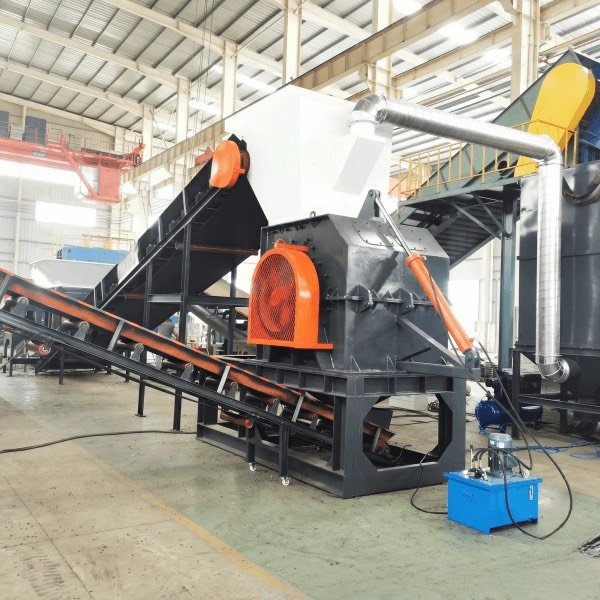
MIRACLE lists the SC1280 metal chips and swarf crusher for machining-waste applications including steel turnings, aluminum chips and copper turnings. This establishes a relevant product family for discussion. The actual configuration, accepted inclusions and handling of different batches should be confirmed against the proposed feed rather than inferred from the application list.
Describe fluids and attachments as part of the feed
State whether the collected material contains cutting fluid, oil, water or other residues and explain how it is stored before processing. Provide available observations or measurements with their method and sampling basis. A description such as mostly dry should not be treated as a measured fluid-content specification.
The SC1280 source listing mentions an optional coolant-oil centrifuge arrangement. Discuss fluid handling separately from size reduction and ask whether any such equipment is proposed, supplied or provided elsewhere. Reducing the length of turnings does not establish a particular residual-fluid condition, and an optional item should not silently become part of the standard quotation.
| Feed characteristic | Useful inquiry evidence | Question for the proposal |
|---|---|---|
| Long or tangled turnings | Close-up and container photographs | How is this material presented to the crusher? |
| Variable metal batches | Material identification and collection plan | How are separate streams handled? |
| Fluids or residues | Storage description and available measurements | Which fluid-handling tasks are included? |
| Occasional solid inclusions | Typical examples and known dimensions | What preparation or exclusion is required? |
Define what the next machine or buyer accepts
Explain why the chips need processing. You may be preparing a more manageable fraction for collection, a specified feed for compaction or material for a separately assessed downstream operation. State the output requirement in terms of size and condition, and identify the receiving equipment or buyer where known.
Do not assume that every crushed chip is suitable for a briquetting press or furnace. The receiving process has its own requirements, including material identity and remaining contaminants or fluids. Ask who confirms compatibility and where the chip-crusher package ends. A photograph of compact fragments cannot establish acceptance by a different machine.
Build an evaluation around a representative collection period
A small hand-selected sample can miss the conditions that make machining waste difficult. Discuss material representing normal production and the variations between jobs. Record the source, collection method, fluid condition and any preparation used during an evaluation so the results can be understood later. Keep collections from unusual machining jobs identifiable when discussing a sample or planning an evaluation.
Ask how the feed, finished fraction and any excluded or residual material will be documented. Where several metals are evaluated, keep the observations attached to the relevant batch. Compare the proposed duty with your collection and feeding pattern; a short demonstration does not by itself establish sustained output for changing production waste.
- Identify the metal and the machining source.
- Show loose chips, tangled material and difficult inclusions separately.
- Disclose fluids, storage conditions and existing preparation.
- Define the receiving process and the required output condition.
Request the crusher and its interfaces as a clear scope
Send MIRACLE the feed description, photographs, expected volume, collection pattern and downstream requirement. Include available electrical supply, site space and the machines that will remain in use. Say whether you need size reduction alone or a connected arrangement that includes feeding, fluid handling and collection.
Ask the quotation to distinguish the crusher, selected screen or cutting configuration, optional equipment, controls and site connections. Discuss wear parts, access and startup documentation alongside the equipment list. This approach supports a useful SC1280 configuration discussion without replacing your actual machining waste with a generic capacity figure.
Before you decide
Is a chip crusher the same duty as a bulky-scrap shredder?
Machining chips and bulky structural scrap are different feeds. Describe the material and intended duty before comparing equipment.
Does crushing also remove the cutting fluid?
Do not assume so. Size reduction and fluid handling are separate duties. Confirm any proposed optional equipment, the scope of supply and how the required output condition will be assessed.
What sample information is most useful?
Record metal identity, machining source, chip shape, fluids, collection method and difficult inclusions. Include the intended next process so the proposed output can be assessed against its requirements.
Equipment references
Product information for the equipment discussed in this guide.