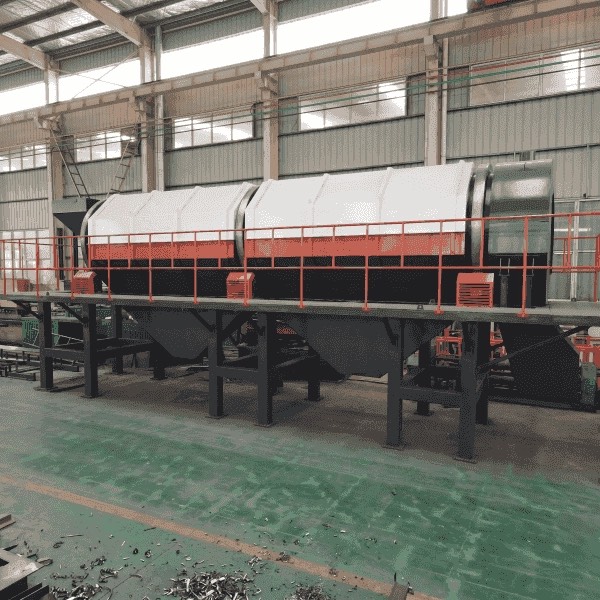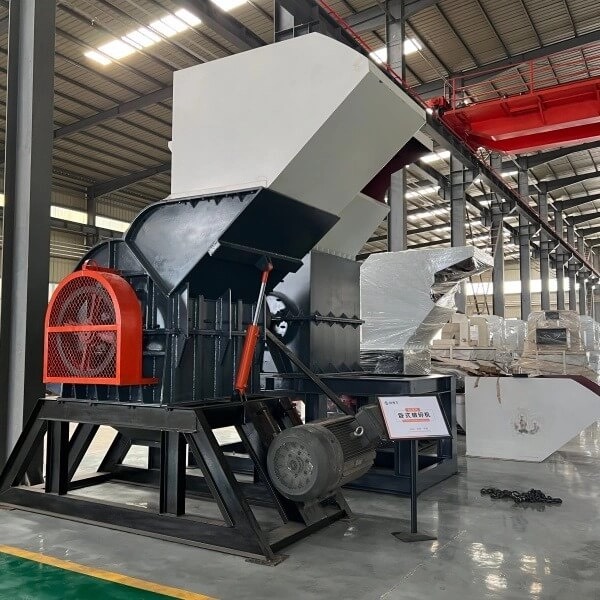
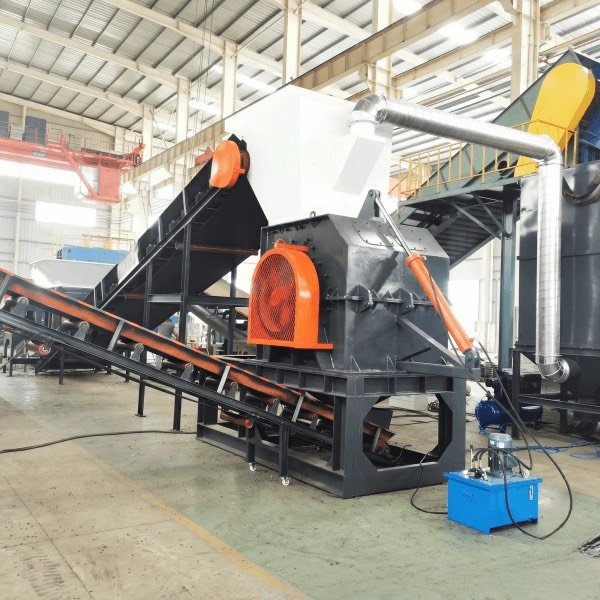
Understand the application.
Input materials
Output
Cut tangled turnings with rotary knives
The SC1280 uses a rotary knife system rather than a hammer-impact arrangement. Its purpose is to reduce long or tangled metal turnings and loose machining waste before the next handling or processing step. Show both the typical chips and the most difficult nests so the feeding and cutting task can be understood.
Keep metal identity and fluid condition separate
Describe the machining metals, whether batches are kept apart and how cutting fluid reaches the chip collection. A machine capable of reducing different metals does not require them to be mixed commercially. If alloy identity matters downstream, explain how it is maintained before and after crushing. Record any foreign objects entering the chip stream.
Define the route after chip reduction
Specify whether the output goes to storage, a briquetting operation, another treatment stage or a defined furnace receiving point. Screen selection belongs to that required form. The coolant-oil centrifuge is an optional item in the equipment information; identify whether fluid reduction is required and included, rather than attributing that separate function to the crusher alone.
Specifications & configurations.
Tell us about your material and required configuration to discuss the relevant specifications.
Before you decide
Does SC1280 remove coolant as a standard crushing function?
The centrifuge is described as an option. Define the incoming fluid condition and required treatment, then identify the separate equipment included in the offer.
Should steel and aluminum chips be processed as a mixed load?
State the required product and alloy-segregation practice. Mechanical size reduction does not restore material identity after unlike chips have been mixed.