Begin with the shape of the scrap
A request for a metal shredder often starts with motor power or the number of shafts. A more useful starting point is the material presented to the cutting chamber. Long aluminum sections, bulky fabricated scrap and mixed light waste can have similar weights while creating different feeding and cutting problems.
Photograph typical loads beside a size reference and show the awkward pieces separately. Describe wall thickness, attachments, flexibility and whether material arrives loose, bundled or already reduced. These details help distinguish a machine intended to accept bulky material from one selected to control the size of a prepared stream.
Understand the configurations being compared
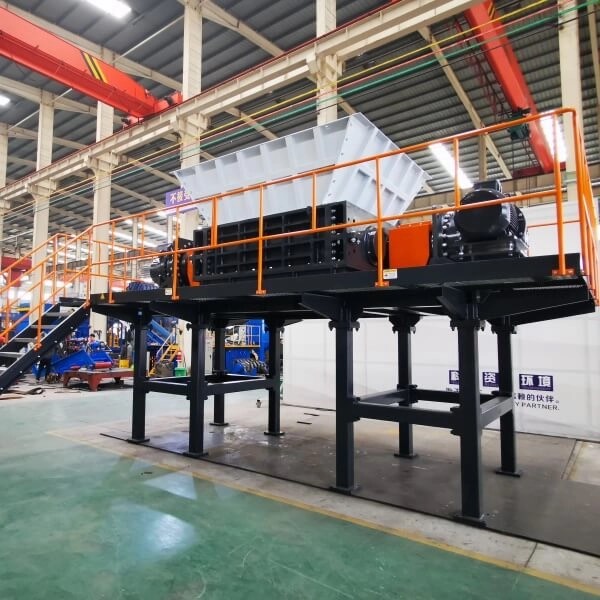
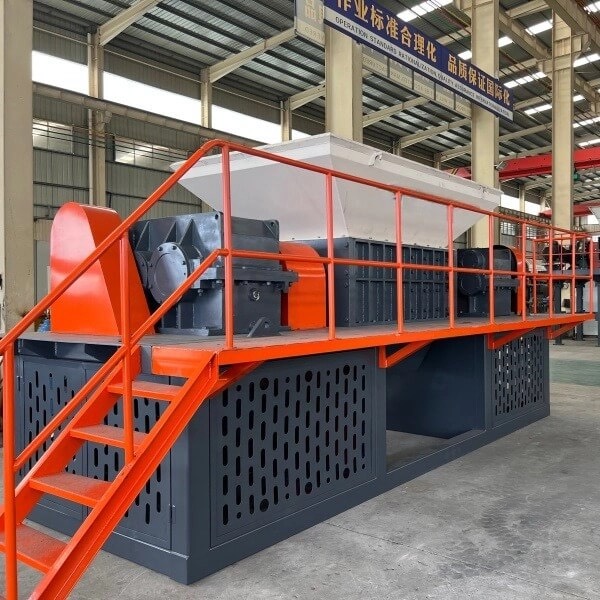
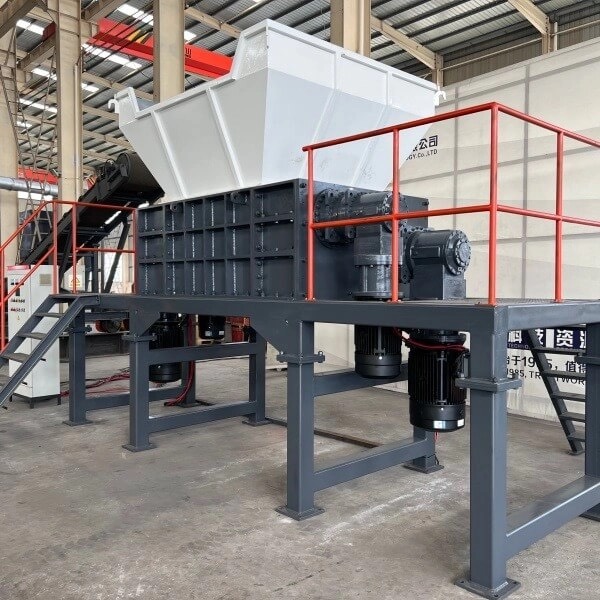
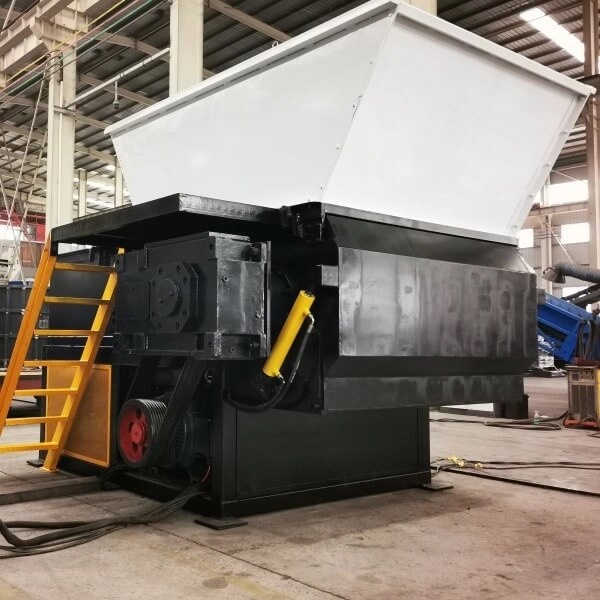
The MIRACLE range includes the SS48150 single-shaft shredder with a hydraulic pusher ram, dual-shaft machines such as the DS7272 and DS46150, and the FS130120 four-shaft shredder. These are different configurations with different material applications. Their names provide a starting point for discussion, rather than an automatic ranking from basic to best.
The SS48150 description identifies a cutting rotor, pusher and screen-controlled output. The dual-shaft listings describe counter-rotating cutting arrangements for their stated scrap applications. The FS130120 description identifies primary and secondary shaft pairs. Confirm the actual cutting, feeding and discharge arrangement proposed for your material.
| Configuration in the range | Main selection question | What to confirm |
|---|---|---|
| Single shaft with pusher and screen | Does this feed need controlled sizing? | Feed presentation, screen arrangement and accepted output |
| Dual shaft | How will bulky or difficult shapes enter the cutting zone? | Material limits, blade configuration and further reduction |
| Four shaft | Does the next stage require further size refinement? | Proposed shaft arrangement and output assessment |
Specify the output that matters downstream
Do not describe the target only as small pieces. Explain whether the next stage is another crusher, screening, sorting, compaction or a separate process. State the desired size range, the oversize that cannot be accepted and whether long strips are a problem. Include the receiving equipment information when it already exists.
A screen opening, a nominal fragment size and the size distribution of actual output are different descriptions. Ask how the proposed result will be checked with your scrap. A photograph of selected pieces is less informative than a record covering typical material and the fractions requiring further treatment.
Compare feeding and interfaces, not just installed power
The hopper opening does not by itself establish that every object fitting inside is suitable. Feeding also depends on the form and composition of the scrap and the selected machine. Ask what preparation is required, how material reaches the hopper and what upstream equipment is included in the proposal.
Discuss the connection to the next machine, discharge height, collection method and space for access. Keep the shredder rating separate from the capacity of the connected line. Where the material mix changes, ask which configuration changes or separate production runs need to be evaluated rather than assuming one setting covers everything.
Include maintenance access in the comparison. Ask how wear parts are inspected and replaced, which lifting provisions are needed and what access space must remain clear. Compare the specified wear-part package across the proposed machines.
Make sample evaluation a decision record
A useful comparison sets out the feed, the proposed configuration and the required output before a sample evaluation. Record representative difficult material as well as the normal load. Ask for a clear account of preparation, output fractions and any material that was excluded from the demonstration.
Use the same questions for each proposed machine. This makes it easier to understand why a different blade arrangement, screen or preceding stage has been suggested. Neither a shaft count nor a short operating video establishes wear cost, throughput or output quality for a different feed.
- Identify the scrap family, dimensions and attachments.
- Define the next process and the output it accepts.
- List preparation, feeding and discharge equipment separately.
- Ask which material conditions support the proposed performance.
Request a configuration comparison you can use
Send material photographs, typical and maximum dimensions, expected volume and the required output to MIRACLE. Mention whether controlled sizing, bulky-feed acceptance or preparation for separation is your priority. Add site supply information and details of existing machines so the response addresses the connected process.
Ask for the reason behind each proposed configuration and a quotation separating the machine, auxiliaries, wear parts and startup support. Compare the complete scope against your feed and downstream requirement. The right decision is the arrangement that addresses the stated job, not the machine with the most shafts.
Before you decide
Is a four-shaft machine always the better choice?
No. Compare the feed and required output with the proposed configuration. Additional size refinement is useful only when it serves the material and the next process.
Can I choose a shredder by motor power alone?
No. Feed shape, material composition, cutting arrangement, feeding method and output requirement also matter. Ask which conditions support the proposed capacity.
What should accompany a shredder inquiry?
Provide photographs, dimensions, material composition, expected volume, the next process and existing equipment information. Describe difficult loads separately from normal feed.
Equipment references
Product information for the equipment discussed in this guide.