Describe the incoming material before naming the line
A request for an aluminum, steel, cable or appliance recycling line needs more detail than the material name. Provide photographs of the material as received, its typical dimensions and the way it arrives: loose, tangled, baled, dismantled or mixed with other fractions.
Describe the normal feed and the difficult loads separately. Include the metals, plastics, rubber and other attachments you know are present, together with moisture, oil or dirt where relevant. State whether the feed is consistent or changes between deliveries. This allows equipment selection to start from the actual material rather than an idealized sample.
Define the output and the process boundary
Explain what you intend to sell or process next. A size-reduced mixed fraction, furnace-ready ferrous scrap, separated non-ferrous material and copper granules are different output requirements. State the required size range and separation goal, along with any requirements from the next buyer or machine.
Define where the proposed line starts and ends. If material will arrive after dismantling or preparation, say which work has already been completed. If an existing machine will remain upstream or downstream, provide its specifications and connection requirements. Do not assume that every preparation step or downstream refining process belongs inside the proposed package.
Discuss the job of each module
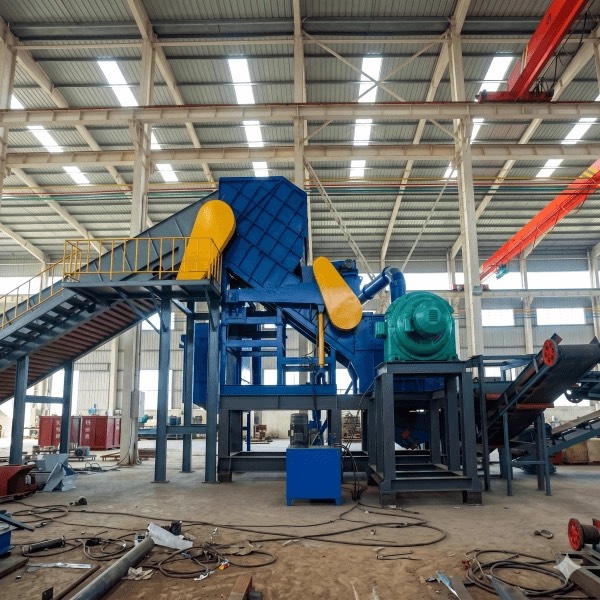
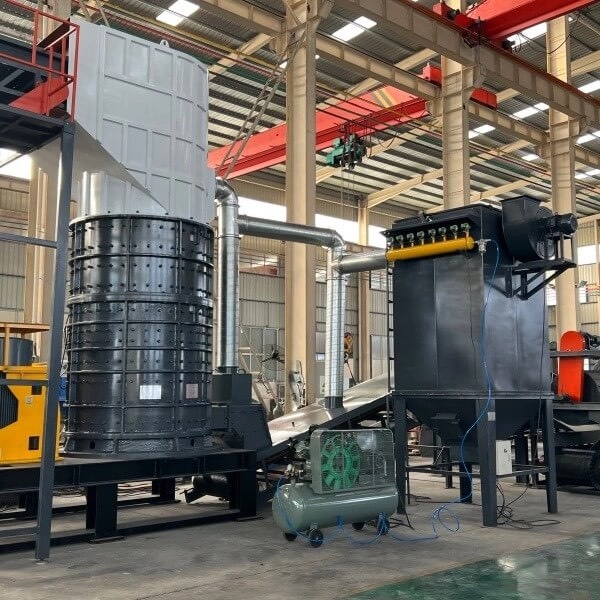
Size reduction, screening and separation serve different purposes. Shredding or crushing prepares material for later stages; screening divides material by size; magnetic separation and eddy current separation address different material fractions. Ask what each proposed stage is intended to remove or produce.
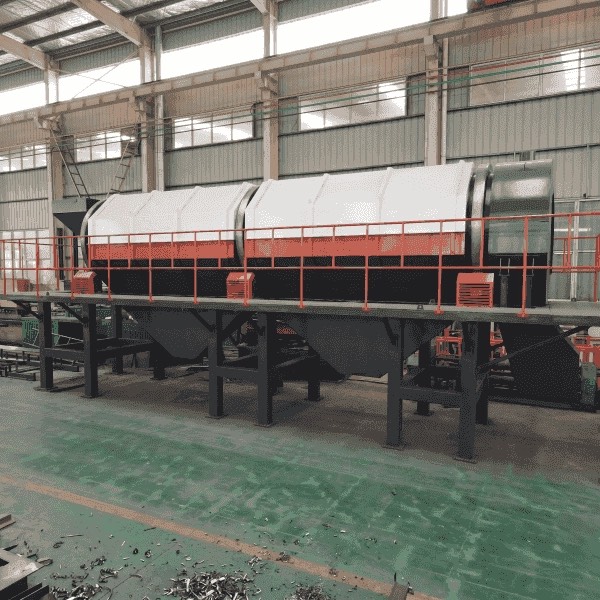
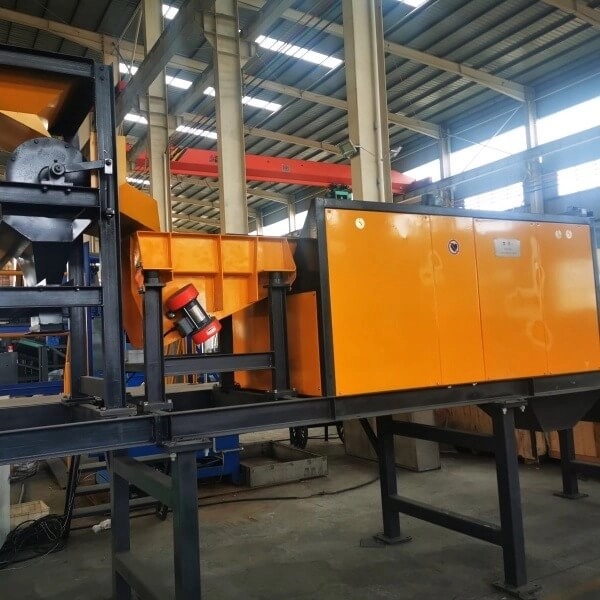
Screening and separation should be selected together. A trommel screen can prepare size fractions for downstream sorting, while an eddy current separator can recover conductive non-ferrous material from non-conductive fractions. Their selection still depends on the feed and the work required. An eddy current stage is not, by itself, a promise to separate every metal or alloy into an individual saleable grade.
State the operating target without losing the conditions
Give the expected processing volume and the time available to run the line. Describe how material will be delivered, stored and fed, and how finished fractions will be collected. An operating target should cover the connected process, not just the rating of the largest machine.
Ask where the proposed capacity is measured and which feed conditions apply. Identify preparation, feeding or collection work that could limit the line. If several materials will be processed, discuss whether they will be run separately and what changes or cleaning are needed between them. Keep each material's target distinct rather than averaging unlike feeds into a single promise.
Provide the site and interface information
Share a layout showing the usable space, access, material storage and the existing equipment. Include available electrical supply and any existing water, compressed-air or dust-collection arrangements. Ask what utility information and connection drawings are needed for the selected configuration.
Separate the supplied equipment from site work. Foundations, unloading and lifting, incoming supply, ducting and other connections need named responsibilities in the project scope. Discuss installation, commissioning and training alongside these interfaces. A process drawing is useful, but it does not replace an agreed list of equipment and site responsibilities.
Agree how the proposed output will be checked
Before relying on a performance statement, agree the material, configuration and method of checking it. A useful sample evaluation records the incoming feed, the finished fractions and the material left for further treatment. Output size, composition and retained metal should be discussed as separate requirements.
For commissioning, ask what will be demonstrated, which conditions must be ready at the site and what records will be provided. Keep customer requirements, proposed equipment and measured results distinct. A result reported for another project is not an automatic acceptance value for a different feed or configuration.
Build an inquiry that supports a comparable quotation
Bring together material photographs and dimensions, expected volume, output requirements, site location and layout, utilities and existing-machine information. Say whether you need a complete connected process or equipment for a particular stage.
Ask for the proposed modules, their purpose, supplied controls and auxiliaries, optional items, operating conditions and the scope of startup support. Include wear parts, documentation and maintenance access in the discussion. Comparing this information gives you a clearer decision than comparing a line name and price without knowing where the equipment package begins and ends.
Before you decide
What should accompany an inquiry for a recycling line?
Provide photographs and dimensions of the feed, expected volume, output requirements, site location and layout, utilities and any existing equipment. Describe difficult or variable loads as well as the normal material.
Does every recycling line need the same modules?
No. Discuss the purpose of each preparation, size-reduction, screening and separation stage against your feed and output requirements. Optional or downstream equipment should be identified separately in the quotation.
Can a machine's rated capacity be treated as the capacity of the whole line?
Do not assume so. Ask which material and measurement point support the line capacity, and consider preparation, feeding, transfers, separation and collection. The connected process must be evaluated under the proposed operating conditions.
How can I compare two proposed line configurations?
Compare their feed conditions, process boundaries, output requirements and included modules, then review utilities, site work, wear parts and support. Agree how output and operating performance would be checked for your material.
Equipment references
Product information for the equipment discussed in this guide.
- solutions
- Waste Aluminum Recycling Line
- Scrap Steel Crushing Recycling Line
- Scrap Wires Recycling Line
- Waste Home Appliance Crushing And Recycling
- GTS Series Trommel Screen Rotary Drum Screener for Recycling
- ECS Series 7kW Eddy Current Separator for Non-Ferrous Metal Sorting
- VSC41600 250-315kW Large UBC Aluminum Can Shredder Separator
- SCL600 1600kW Heavy Duty Scrap Steel Shredder for Metal Recycling
- recycling line installation