Understand the application.
Output
Make the rod the starting specification
This equipment is organized around aluminum rod rather than separate ingots or steel billets. Identify the aluminum or alloy and the section required by the next production stage. State whether the rod will enter drawing, extrusion, rolling or another operation, so its required form remains clear throughout selection.
Connect holding, traction and cooling
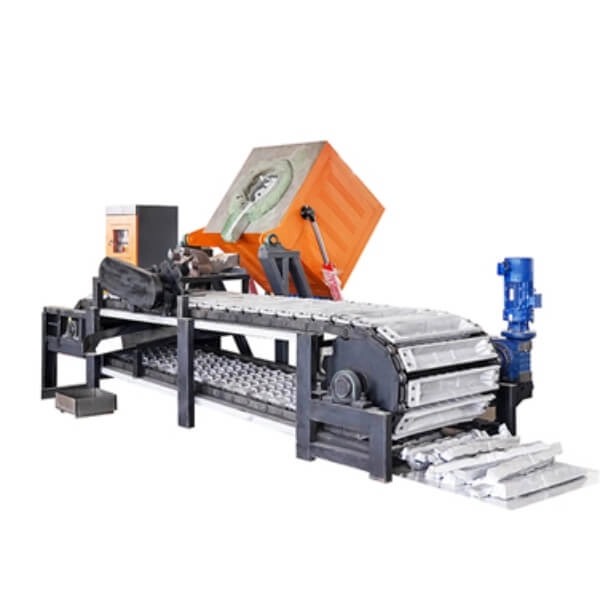
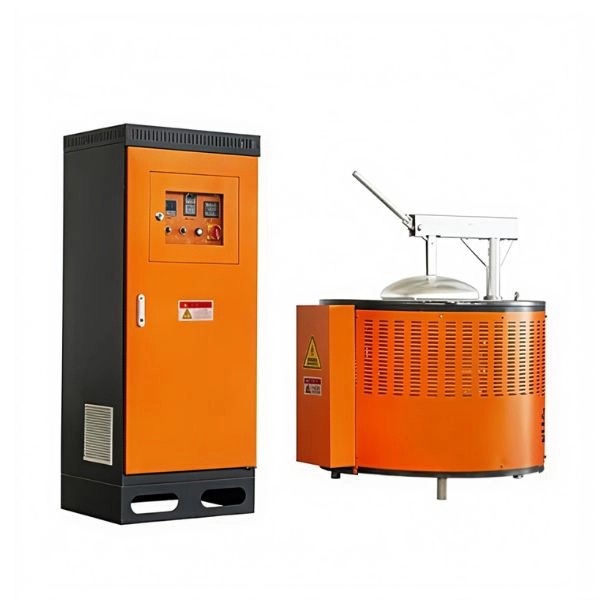
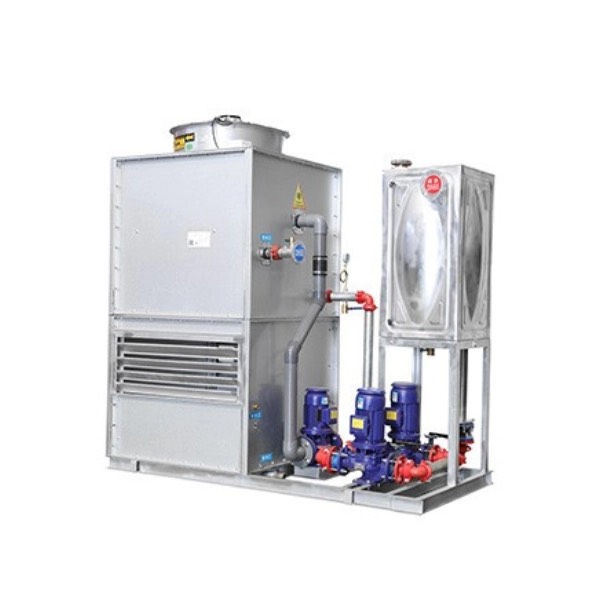
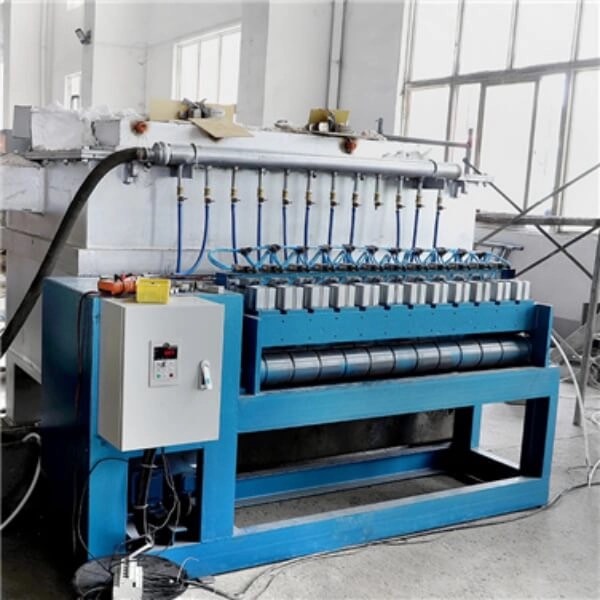
Discuss the melting, holding, withdrawal and downstream handling functions as parts of the proposed arrangement. Confirm which equipment is supplied for each function. The molten-metal supply, withdrawal arrangement, cooling circuit and receiving equipment need to be considered together instead of treating the rod machine as an isolated item.
Confirm dimensions and the production basis
Give the rod diameter and tolerances you require and ask for confirmation against the selected arrangement. Keep production targets attached to their time period and material conditions. Review the casting output and handling interfaces separately from the furnace batch requirement. Where equipment already exists, provide its operating information and connection details before settling the combined scope.
Specifications & configurations.
Technical Specifications
| Parameter | Specification |
|---|---|
| Product Name | Aluminum Rod Horizontal Continuous Casting |
| Capacity | 500KG-2T per Day |
| Traction Speed | Adiustable |
| Melting Time | 40mins-90mins per pot |
| Alu Liquid Quality | According to raw materials |
| Equipment List | Melting furnace, holding furnace, tractor, disc machine |
| Layout Drawing | Available |
Before you decide
Can the rod diameter be selected from a general product range?
Specify the diameter and tolerance needed by your receiving process and have the proposed configuration confirmed. A broad equipment description does not establish every available size.
Are melting and holding equipment part of the same scope?
The process description includes both functions, but the quotation should identify which equipment is supplied, what already exists and how metal is transferred to casting.