Understand the application.
Output
From molten metal to an ingot product
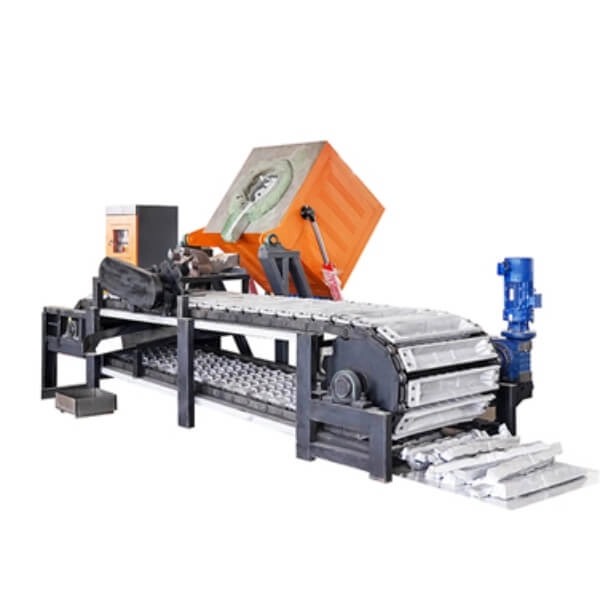
The equipment belongs to the forming stage of a non-ferrous metal process. Its task is to receive molten aluminum or copper and produce ingots, rather than reduce incoming scrap or roll finished steel bars. Define the metal and required ingot shape before comparing the proposed casting arrangement.
Coordinate casting with metal delivery and cooling
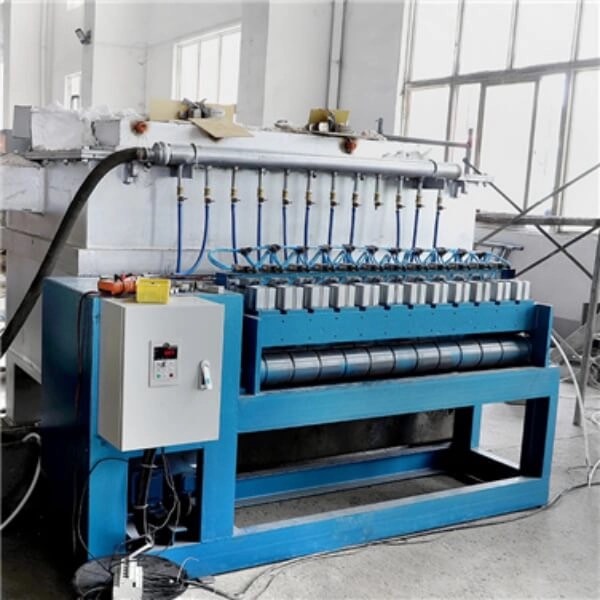
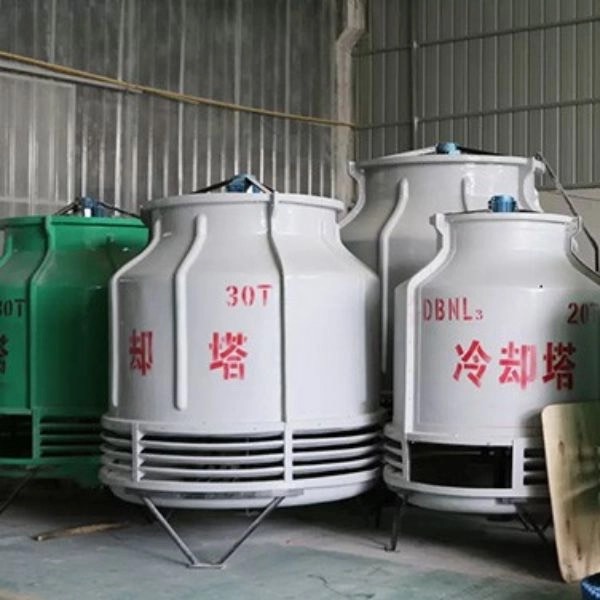
Continuous casting depends on an agreed connection between molten-metal supply, forming and cooling. Describe whether the metal comes from an existing melting or holding furnace and how it reaches the line. Discuss ingot handling and collection as part of the layout, including where responsibility passes to the next operation.
Separate the line from its accompanying furnace
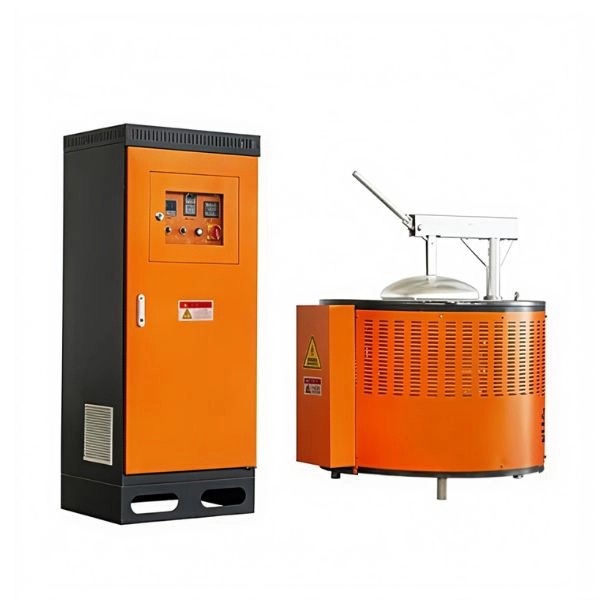
The melting furnace and casting equipment have different duties. Review the proposed furnace supply and electrical requirements separately from the casting line dimensions and drive arrangements. State the intended production period and ingot output, then ask which equipment and operating conditions support that arrangement. A furnace specification is not the electrical specification of the whole casting line.
Specifications & configurations.
Specification For Aluminum Melting Furnace
Specifications for the accompanying aluminum melting furnace.
| Model | Power | Input Voltage | MF Frequency(HZ) | Transformer(KVA) |
|---|---|---|---|---|
| 0.1T | 80KW | 3*380V | 2500 | 125 |
| 0.25T | 180KW | 3*380V | 2000 | 250 |
| 0.5T | 400KW | 3*380V | 1500 | 500 |
| 1T | 600KW | 3*660V | 800 | 900 |
| 2T | 1000KW | 3*660V | 600 | 1600 |
| 3T | 1500KW | 3*950V | 500 | 2500 |
| 5T | 2000KW | 6*950V | 500 | 3300 |
Before you decide
Is this the same process as aluminum rod casting?
No. This equipment is selected around an ingot product. A rod-casting arrangement has a different output form and associated traction and handling requirements.
Does a furnace specification describe the complete casting line?
No. The furnace and casting line should have separate equipment scopes and utility information, with their connection and molten-metal delivery agreed together.