Define what leaves your factory
Casting equipment should be compared against the product you intend to sell or process next. Aluminum ingots, aluminum rod, steel billets and rolled steel bars are different endpoints. The general phrase continuous casting does not make the corresponding lines interchangeable. Start with the metal, product form and receiving specification, then work back to the necessary process.
Write down the intended alloy or grade, product dimensions and the operation that follows. If you sell intermediate material, obtain the customer’s requirements. If you process it internally, describe the equipment receiving it. This makes the discussion about a defined product rather than an impressive collection of machines.
Keep nonferrous and ferrous routes distinct
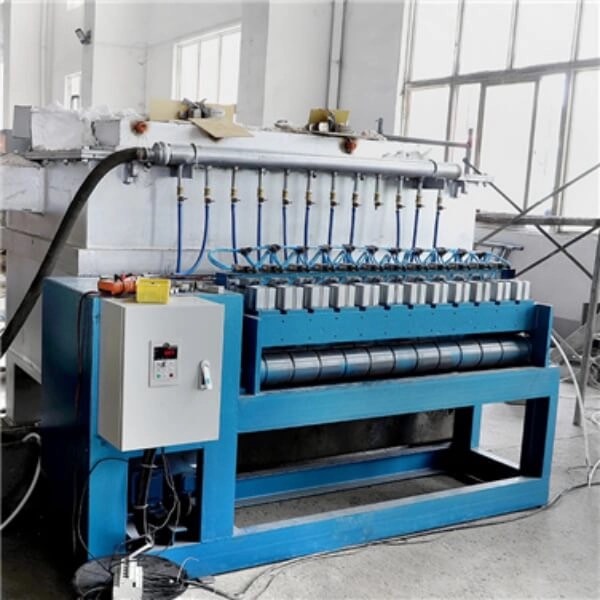
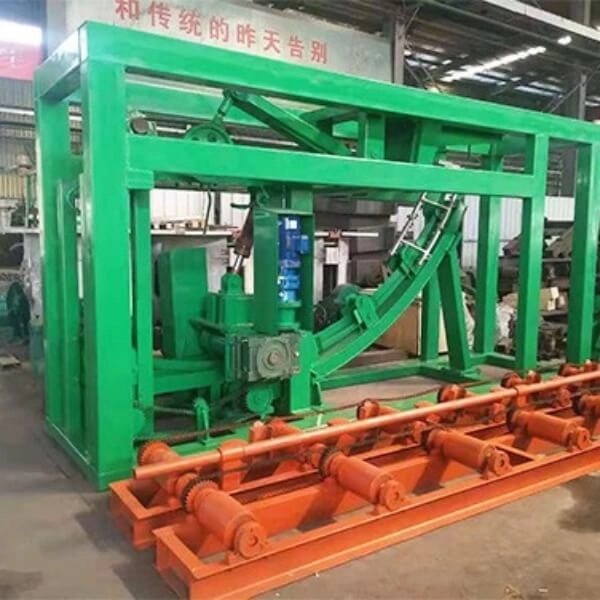
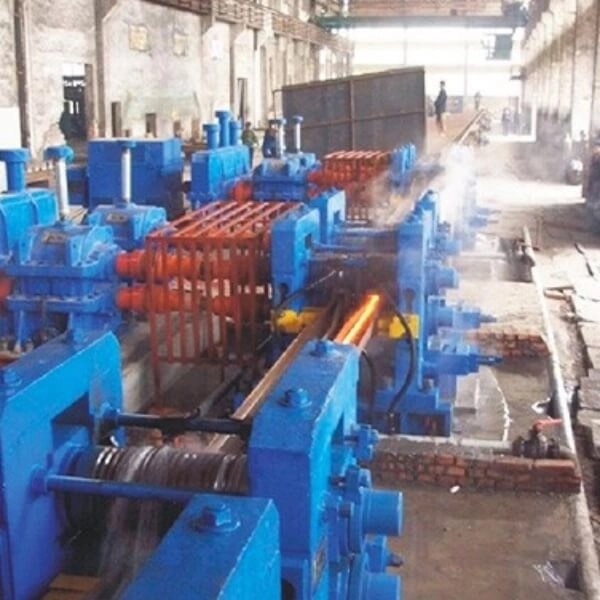
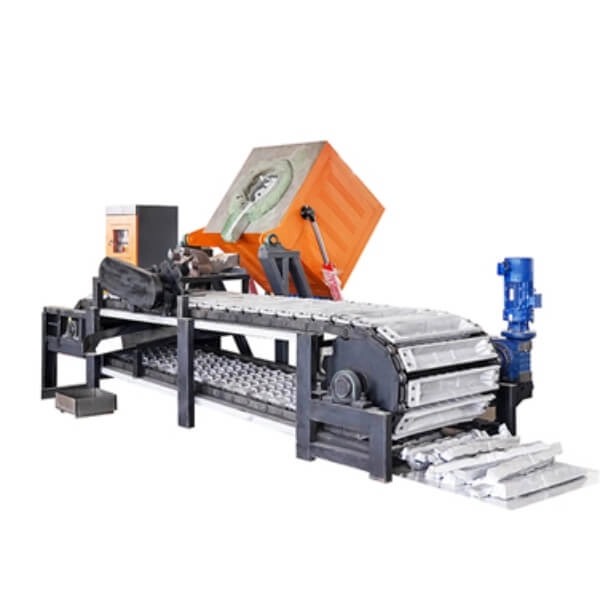
Our Aluminum/Copper Ingot Continuous Casting Line is presented for nonferrous ingot and blank production. The Aluminum Rod Horizontal Continuous Casting range addresses aluminum rod. In contrast, our Continuous Casting Machine is described as converting molten steel into billets, while the Continuous Casting And Rolling Production Line combines casting with downstream rolling and finishing.
These product families help identify the relevant conversation; they are not a universal material compatibility statement. Confirm the particular metal, alloy, dimensions and output form for the offered configuration. A result described for one casting route should not be carried over to another metal or product without that confirmation.
| Required endpoint | Relevant equipment discussion |
|---|---|
| Aluminum or copper ingots | Nonferrous ingot casting, ingot form and handling. |
| Aluminum rod | Horizontal casting route and the rod required for subsequent processing. |
| Steel billets | Continuous casting and the billet specification. |
| Rolled steel product | Casting-to-rolling integration or rolling from an existing billet supply. |
Decide where the project starts and stops
If your project starts with purchased molten metal, its boundary differs from a project that also includes melting. If you already have billets, a rolling discussion may not require a new caster. Our Mini Rolling Mill Production Line is described around rolling from billets, making the condition of the existing feed important to that inquiry.
Mark each stage as existing, proposed or outside the project. For casting, clarify melt supply, casting, cooling, cutting and product handling. For an integrated rolling route, add the transfer to rolling and the finishing operations needed for the desired product. Ask which stages are physically and commercially included in the offer.
Match connected stages at their interfaces
A proposed production rate needs to be understood across the connected process. Ask how the supply of molten metal relates to casting, how the cast product reaches the next stage and where material waits when adjacent stages run differently. The largest number printed for one machine does not establish the output of the whole route.
Use the same product and operating basis when comparing proposals. Keep mass per batch, mass per time and strand or line quantities separate. Where a product page shows several configuration rows, use the row proposed for your project. Confirm the conditions behind the quoted finished output rather than combining figures from different configurations.
Set product checks before reviewing the layout
Agree what evidence will demonstrate that the output meets the receiving requirement. Discuss the product dimensions, appearance, composition records and any other checks specified by your buyer or downstream process. The relevant acceptance checks depend on that requirement; a machine description is not a product certificate.
- Identify the metal, alloy or grade and the required product form.
- Provide dimensions and the receiving product specification.
- Show which melting, casting, rolling and handling stages already exist.
- Request a layout with equipment boundaries and transfer points.
- Agree the product checks and the operating basis used for acceptance.
Request a route-specific proposal
Share your target ingot, rod, billet or rolled product with MIRACLE, together with the available feed and downstream requirement. Refer to the appropriate casting or rolling family and ask for a proposal around that endpoint. A clear route lets you compare the equipment, interfaces and exclusions needed for your product without treating every continuous process as the same investment.
Before you decide
Is a steel billet caster the same purchase as an aluminum ingot line?
They address different materials and product forms in our equipment range. Specify the metal and required output before comparing the relevant configurations.
Do I need casting equipment if I already purchase billets?
Describe the purchased billet and the product you want to roll. The relevant scope may begin with the existing billet supply rather than molten metal; confirm this with the proposed equipment configuration.
Equipment references
Product information for the equipment discussed in this guide.