Start with the metal and the charge
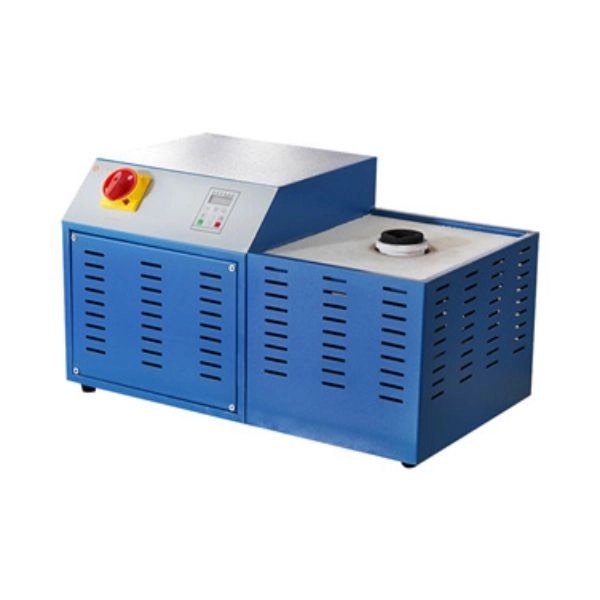
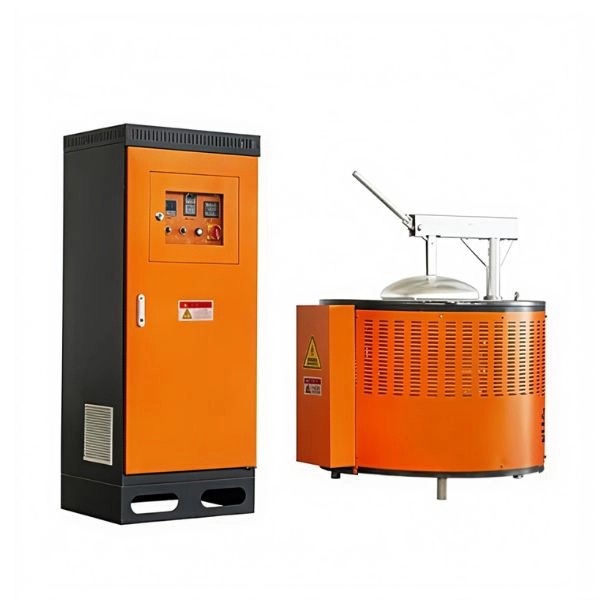
An induction melting furnace should be selected around the metal and the work it must do. Identify the metal or alloy, the form of the incoming charge and the intended use of the melt. Melting prepared ingots, mixed scrap and material intended for a casting process are different requirements, even when the requested batch weight looks similar.
Describe the size and condition of the charge. If it contains coatings, cutting fluid, moisture or other non-metallic material, make that part of the inquiry and ask what preparation is required. Do not treat a broad material description as confirmation that every form of that material can enter the proposed furnace.
Separate batch capacity from production output
The amount held in a furnace is not the same as the amount a workshop can deliver over a shift. Explain the desired batch size, how often metal must be available and the process that receives it. Include charging, melting, any holding requirement and pouring in the discussion.
Ask which metal and charge conditions the proposed capacity refers to, and how the expected melting cycle has been established. Keep the chosen configuration attached to those conditions. A capacity range covering a product family does not define the performance of every furnace within it, and a time without its charge conditions is not a production plan.
Confirm the electrical requirements for the selected setup
Provide the site's voltage, phase and frequency, together with the available supply information. Ask for the input requirements of the furnace power supply and the connected auxiliaries, and whether transformer or other supply equipment forms part of the quotation.
A power rating and an energy-use figure serve different purposes. The former describes a load or equipment rating; the latter needs an operating basis, such as a defined batch or production period. Compare energy claims only when the metal, charge condition and operating cycle are stated. Have the proposed supply requirements checked against the site before an order is finalized.
Include cooling in the equipment discussion
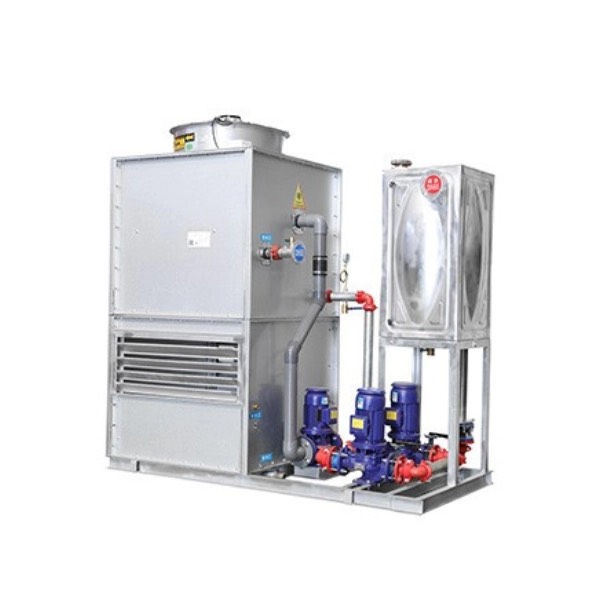
Cooling is part of the furnace system, not simply an item to add after the furnace has been chosen. Miracle's range includes Open Water Cooling Tower and Closed Water Cooling Tower products. The appropriate arrangement should be discussed with the furnace configuration and the conditions at the installation site.
Ask for the required cooling-water conditions, the supplied equipment and the connection points. Clarify which pumps, pipes, tanks, controls and site connections are included where applicable. Confirm access for routine checks and maintenance, and identify who supplies and connects the items outside the equipment package.
Match the melt to pouring, casting or rolling
State what happens after melting: pouring into individual molds, producing ingots, or feeding a casting and rolling process. The receiving process affects the required delivery of molten metal and the equipment interfaces that need to be defined.
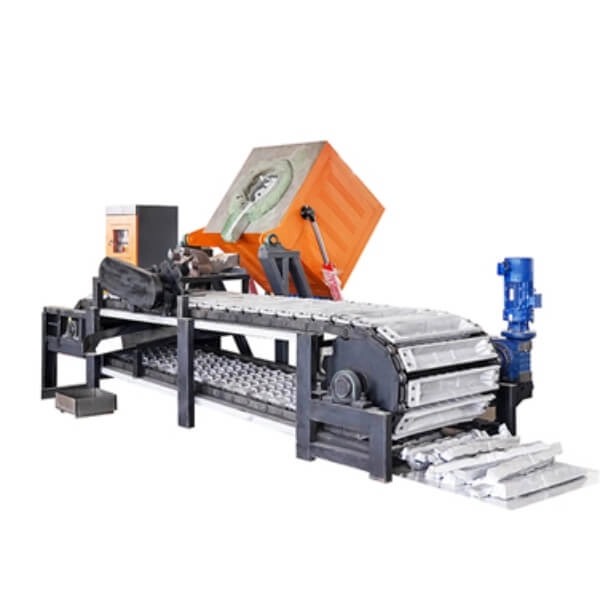
A furnace and an Aluminum/Copper Ingot Continuous Casting Line are separate equipment scopes. Compare the furnace requirements with the casting line's output form, operating range and supplied components. Do not transfer a furnace parameter into the casting-line specification simply because the equipment is discussed together. Ask for the proposed connection and operating sequence.
Request a quotation that makes the boundaries clear
Send the metal or alloy, charge photographs, batch requirement, desired production schedule, available supply and the next process. Include site dimensions or an existing layout, cooling arrangements and any equipment that must remain in use.
Ask the quotation to distinguish the melting body, power supply, cooling package, handling or pouring equipment, and downstream equipment where relevant. Installation, commissioning, training, consumables and spare parts should have a clear scope. This gives you a meaningful comparison between configurations without assuming that every item shown in a process illustration is included.
Before you decide
Is furnace capacity the same as hourly production?
No. A batch capacity describes an amount of metal, while production also depends on the operating cycle and the receiving process. Discuss the metal, charge condition, charging, melting, holding and pouring requirements together.
Can I compare furnaces using only the power rating?
No. Compare the metal, batch requirement, configuration and operating conditions as well. Ask for the input supply requirements and keep power ratings separate from energy use measured over a defined operation.
Is a cooling tower automatically included with a furnace?
Confirm the quotation. Ask which cooling equipment, pumps, controls and connections are supplied and what the site must provide. A related product listing does not by itself establish the scope of an order.
What information helps match a furnace to a casting line?
Provide the metal, desired output form, batch and production schedule, pouring arrangement and the existing equipment specifications. Ask for the connection points and the operating sequence between the furnace and downstream equipment.
Equipment references
Product information for the equipment discussed in this guide.