Two presses can be solving different problems
A scrap metal baler and a metal chips briquetting press both change the physical form of material. That similarity can hide the more useful distinction: the feed each arrangement must accept and the compact required by the next operation. Start with those two points before comparing a press description.
Loose sheet offcuts and irregular scrap pieces are different from a container of curled machining chips. They differ in how they arrive, how they are loaded and what preparation may be needed. Using the same phrase, metal waste, for both does not produce a meaningful equipment specification.
Match the compaction task to the incoming form
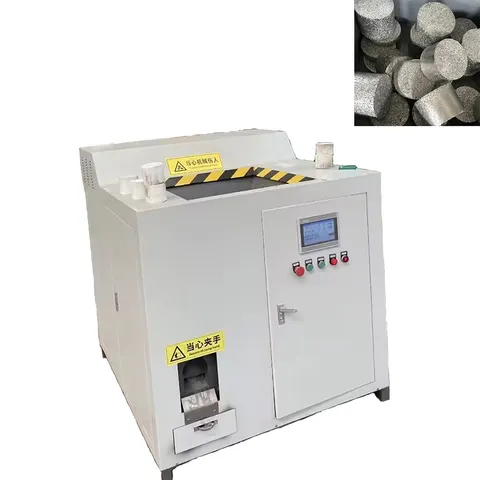
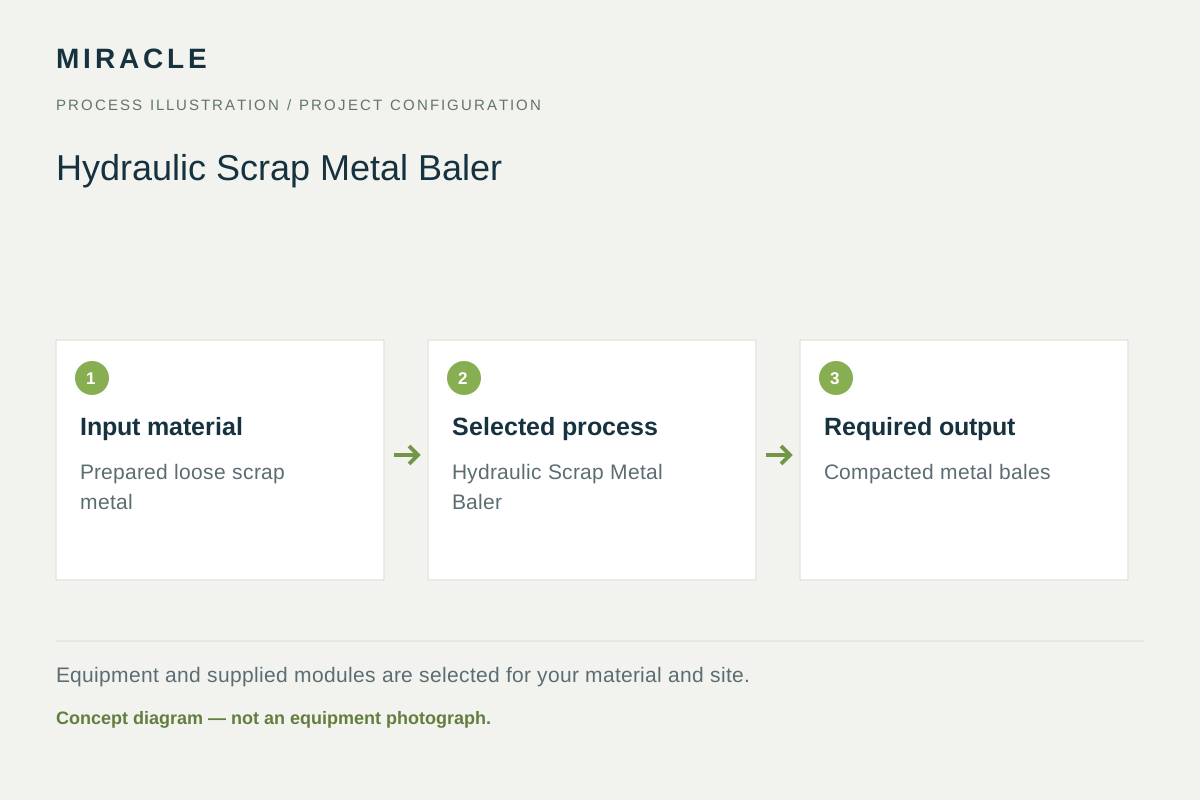
MIRACLE’s hydraulic scrap metal baler is described around prepared loose scrap and a defined bale. The metal chips briquetting press addresses suitable machining chips and turnings. These are project configurations: the actual material limits, loading arrangement and resulting compact still need to be agreed.
Keep the normal feed and difficult material visible in the comparison. A long tangled turning, a thick offcut and a loose light piece should not be treated as interchangeable merely because they contain the same metal.
| Decision point | Scrap metal baler | Metal chips briquetting press |
|---|---|---|
| Feed to describe | Prepared loose pieces and their geometry | Chips or turnings, including shape and condition |
| Output to define | Bale form and handling requirements | Briquette form and receiving-process requirements |
| Preparation question | What pieces and attachments are accepted? | What chip reduction or fluid handling is needed? |
| Interface question | How is the load presented and the bale removed? | How are prepared chips fed and briquettes collected? |
Decide what preparation belongs before the press
For baling, identify any sorting, cutting or preparation already completed. Explain whether feed composition changes between loads and whether separate metals must remain separate. A compaction stage should not be expected to correct an unidentified material mix.
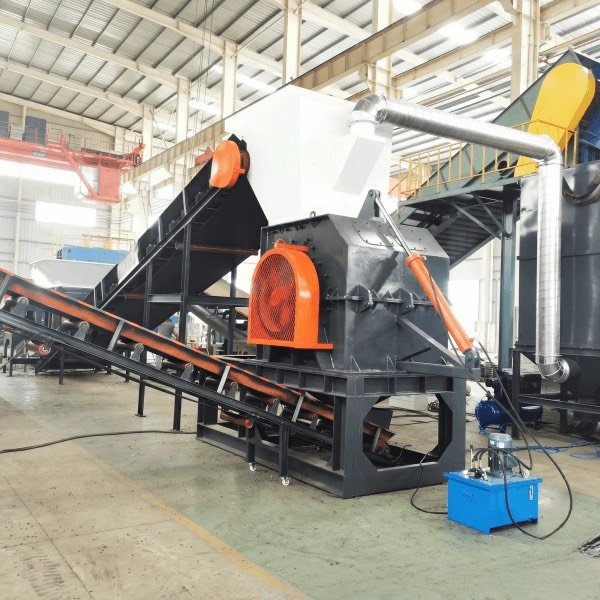
For chip briquetting, describe short chips, curled turnings and tangled nests separately. Disclose cutting fluids and occasional solid inclusions. A chip crusher can serve a size-reduction duty, while fluid handling is another task. Confirm whether either is required and whether it belongs in the quoted package.
Ask the receiver what compact it can accept
The receiving task may be transport, storage, sale or another processing operation. Provide the buyer or receiving-machine requirements for compact form, material identity and handling. Do not select a press first and then assume its output will meet an unspecified destination.
Baling and briquetting do not by themselves establish an alloy grade. Nor does a compact-looking product prove that remaining fluids or contaminants meet a furnace requirement. Keep those acceptance questions separate from the physical pressing task and agree who will assess them.
Compare the complete loading and discharge arrangement
A useful proposal identifies the press, its hydraulic and control equipment, the feeding method and the collection arrangement. It also shows what already exists at the site. Compare access, transfers and space for the incoming material and finished compacts rather than considering the press footprint alone.
Treat pressure, compact mass and processing rate as configuration-specific values. Without a defined feed and duty, a larger headline number does not establish a better choice. Ask which material conditions the proposed figures describe and how the complete arrangement addresses your loading and collection pattern.
Prepare a decision brief for each material stream
Make separate briefs if the site handles both loose scrap and machining waste. Each should identify the metal, incoming form, preparation already performed, expected amount and required compact. Include photographs of normal and difficult loads and the requirements of the receiving buyer or process.
Use the reply to establish why a baler, briquetting press or another preparation stage has been proposed. The decision is then about a defined material handover, rather than two machines sharing the word press.
- Define the incoming form and material identity.
- Describe preparation separately from compaction.
- Obtain the required compact and handling conditions.
- Confirm the equipment and responsibility boundary.
Before you decide
Can the same press be assumed to handle loose scrap and machining chips?
No. Define each feed and required compact separately. The chamber, feeding, preparation and discharge arrangement need confirmation for the proposed material.
Does briquetting automatically include cutting-fluid removal?
Do not assume so. Describe fluid condition and identify any required fluid-handling equipment as a separate included or excluded task.
Will pressing mixed metals separate them into grades?
Compaction changes physical form. Material identification, segregation and any additional sorting remain separate requirements.
Equipment references
Product information for the equipment discussed in this guide.