Understand the application.
Input materials
Output
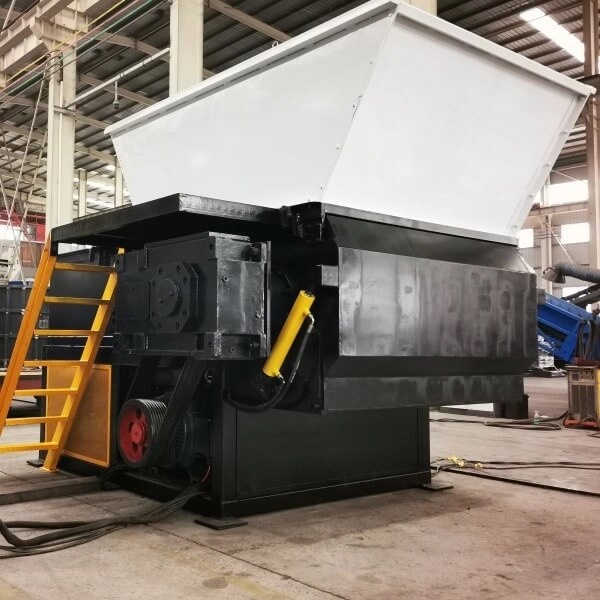
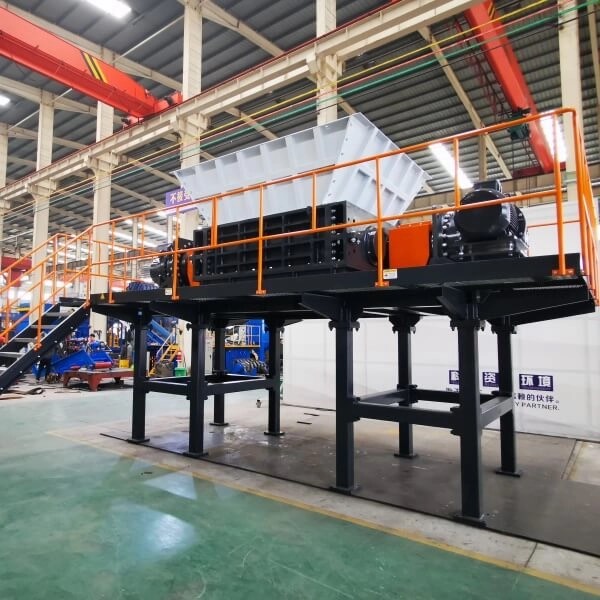
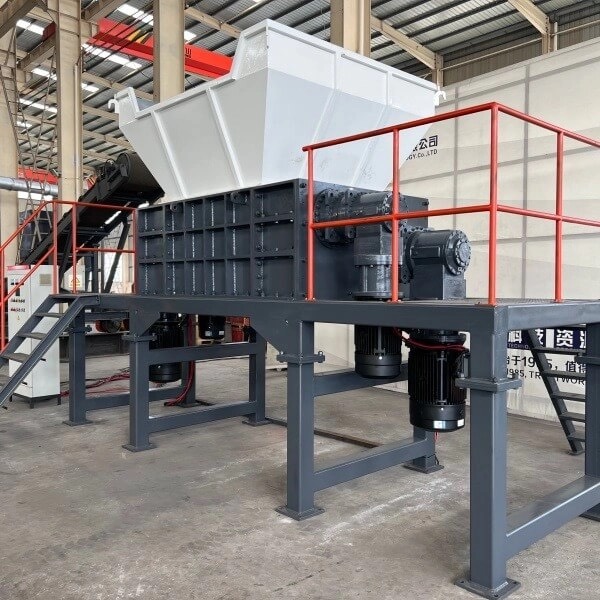
Divide reduction between two shaft pairs
The primary pair tears the incoming material and the secondary pair refines it. This distinguishes the FS130120 from a two-shaft machine performing one reduction stage. Discuss the required output distribution rather than assuming that four shafts alone establish a particular result for every mixture or eliminate all downstream classification.
Stay within the intended feed family
The equipment information identifies light industrial waste, plastics, light metals and mixed dry material. Describe the balance of flexible and rigid items and show attached hardware. Do not treat these categories as an approval for unrestricted heavy scrap. The actual feed and difficult inclusions should be reviewed together with the proposed blade arrangement.
Connect refinement to product handling
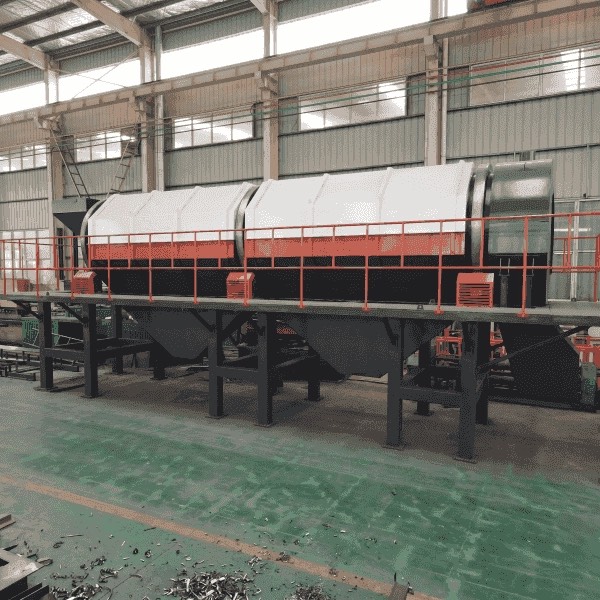
Identify whether shredded material goes to sorting, further granulation or collection. Give the next machine’s feed requirements and the fraction that needs additional treatment. Ask how access to all four shafts, blade inspection and material changeovers fit the planned installation, and include the surrounding feeding and transfer equipment when defining the process footprint.
Specifications & configurations.
Tell us about your material and required configuration to discuss the relevant specifications.
Before you decide
Does four-shaft shredding remove the need for downstream screening?
Confirm the output required by the next operation. Two-stage shearing is the machine’s reduction approach; any separate classification requirement depends on the material and desired product.
Is it an alternative for every heavy metal load?
Its listed feed families focus on light industrial and mixed dry material. Describe the proposed scrap before comparing it with a heavy-duty dual-shaft or impact machine.