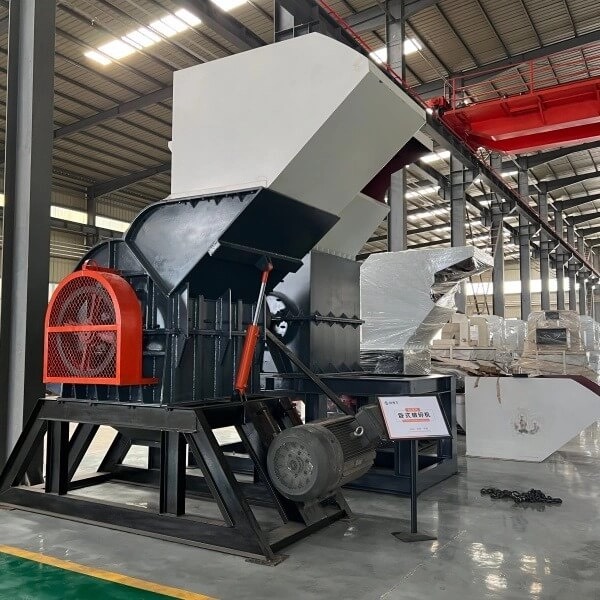
Understand the application.
Input materials
Output
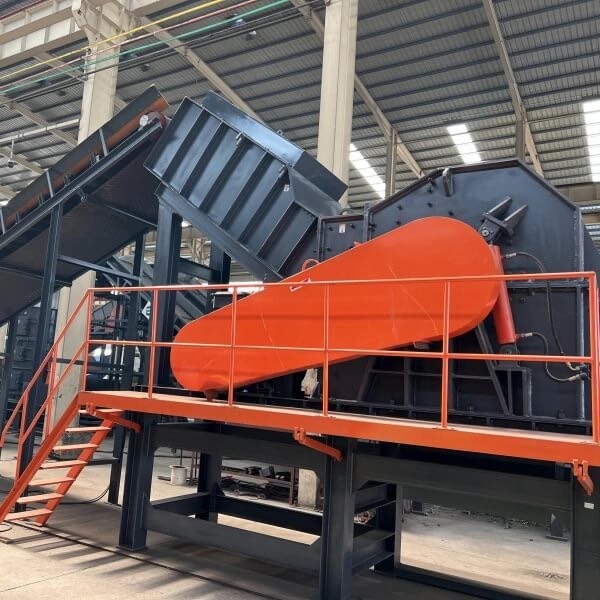
Reduce aluminum with rotor impact
The SC1210 uses a high-speed rotor and impact hammers to break aluminum scrap into smaller pieces. It is a crushing stage rather than a complete alloy-sorting system. Describe whether the load consists mainly of profiles, castings or a changing mixture, since those forms present different material to the impact chamber.
Select the screen for the receiving process
Fine and coarse screen choices provide a configuration discussion around the required discharge. Give the next operation’s size and material requirements, including attached iron, coatings or other contamination to be addressed. Do not assume that a crushed aluminum output is automatically ready for every furnace or buyer without confirming the receiving specification.
Define feeding and dust-handling interfaces
Confirm how long or bulky scrap is prepared and presented to the feed opening. The infeed conveyor and tramp-iron removal are configuration items to identify in the proposal. Show the available transfer heights and collection area, and clarify the connection from the dedusting port to the chosen extraction equipment and site arrangement.
Specifications & configurations.
Tell us about your material and required configuration to discuss the relevant specifications.
Before you decide
How should I compare SC1210 with SC1214?
Use the same feed geometry, required output and working basis. Compare the proposed configurations and supporting equipment rather than choosing only from their power ranges.
Does the crusher remove all coatings and attached materials?
Crushing and material separation are different tasks. Describe the attachments and required aluminum product, then identify the preparation and downstream sorting included in the process.