Understand the application.
Input materials
Output
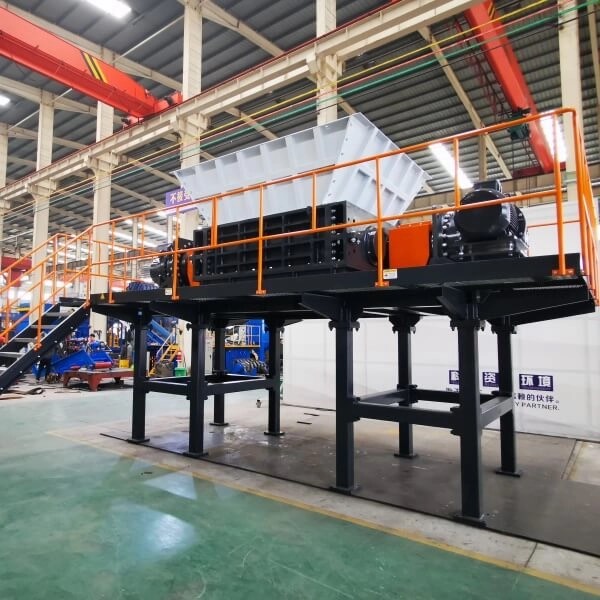
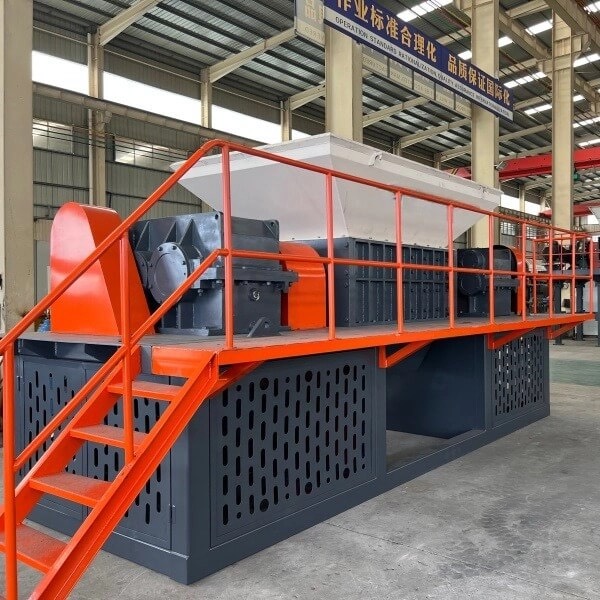
Use two shafts to engage shaped scrap
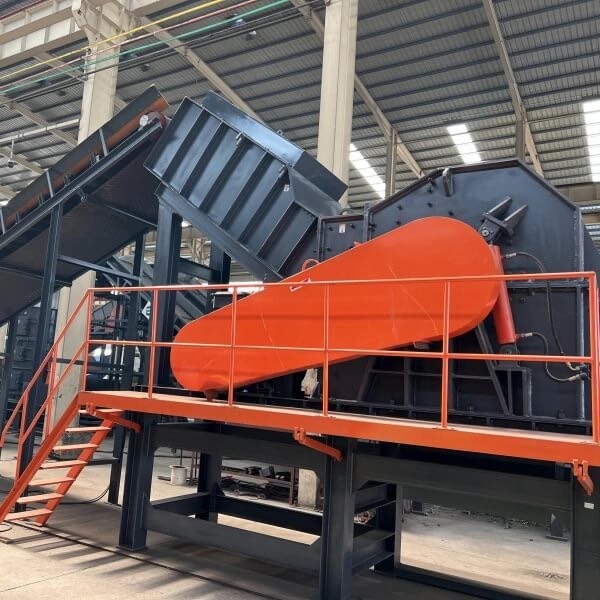
The DS46150 uses a counter-rotating shaft arrangement for tearing aluminum profiles and extrusions into smaller pieces. Its blade arrangement is described for nonferrous scrap rather than as a universal cutting tool. Show the sections and wall shapes you regularly receive, including long, nested or attached assemblies that may feed differently.
Keep profile condition visible
Specify whether the load is production offcut, dismantled window framing or mixed structural material. Identify steel fixings, plastic inserts and other attachments where known. These details help establish preparation and sorting requirements. Alloy designations should remain connected to the feed; shredding does not itself establish the composition of the resulting aluminum fraction.
Match the discharge to the next stage
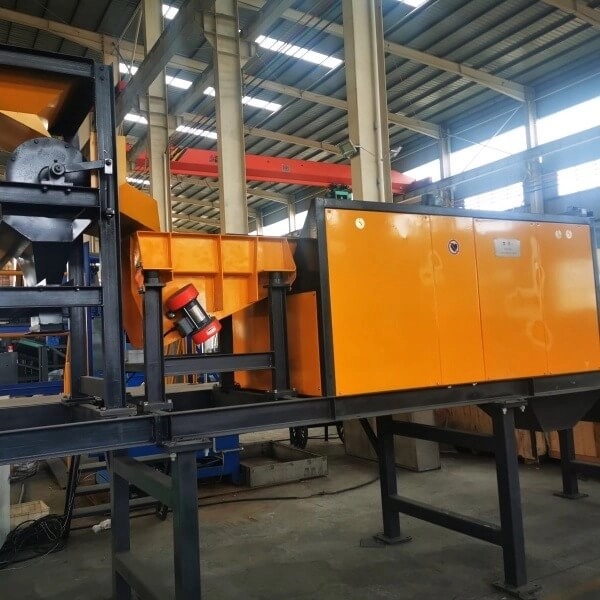
Define the piece form required by screening, sorting, briquetting or melting equipment receiving the material. Confirm the blade configuration and how the stated output range is interpreted for your profiles. When discussing utilities, distinguish each shaft drive from the complete machine load, including any feeding or downstream equipment in the proposal.
Specifications & configurations.
Tell us about your material and required configuration to discuss the relevant specifications.
Before you decide
Is the power in the product name the complete installation load?
The machine uses two shaft drives. Confirm their combined requirement and the load of auxiliaries instead of treating a single drive value as the full installation figure.
Can shredded profiles go directly to a furnace?
Confirm the receiving furnace requirements, alloy identity, attachments and preparation. Size reduction alone does not establish that every profile-derived output is acceptable for charging.