Do not treat aluminum scrap as one feed
Used beverage cans and aluminum extrusions may both enter a secondary-metal business, but they present different equipment questions. Loose cans occupy space differently from compressed bales. Long profiles, joined frames and thick sections create another set of handling and size-reduction requirements. The material name alone is not a process specification.
Describe each supply stream as it arrives at the site. Photograph loose loads, bale faces, long sections and attached components separately. Indicate whether the material comes from a consistent production source or changing collection routes. This allows the proposed route to address the real feed instead of an idealized description of aluminum.
Separate loose-can, baled-can and profile duties
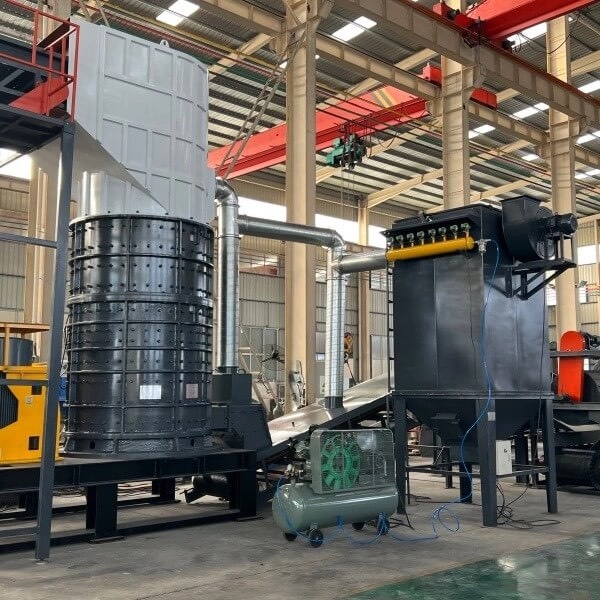
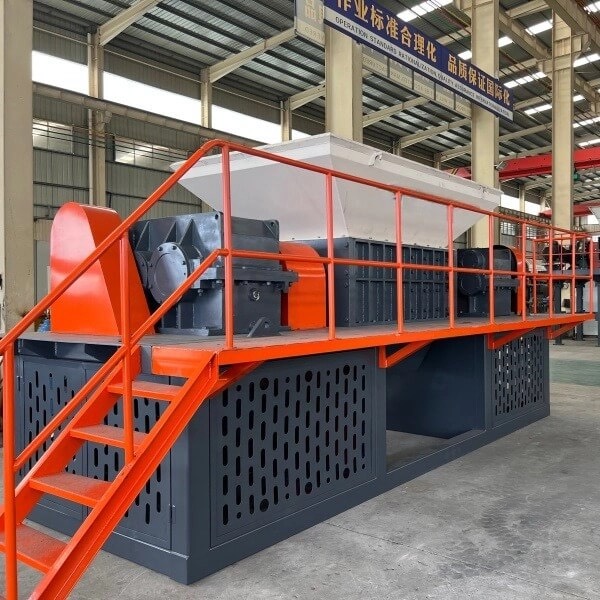
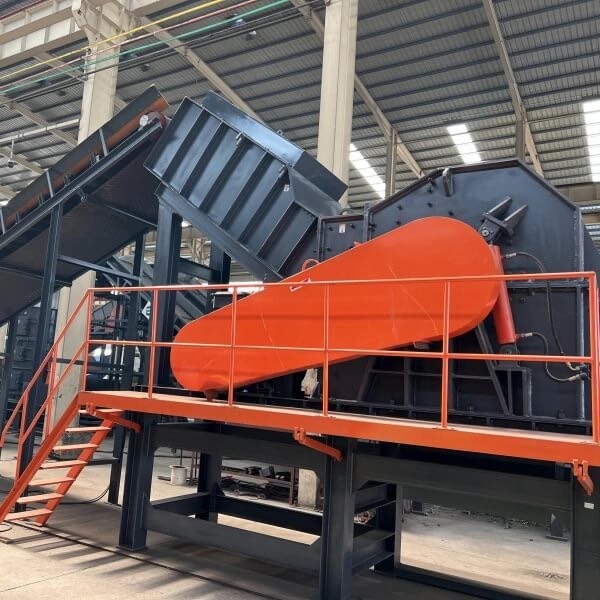
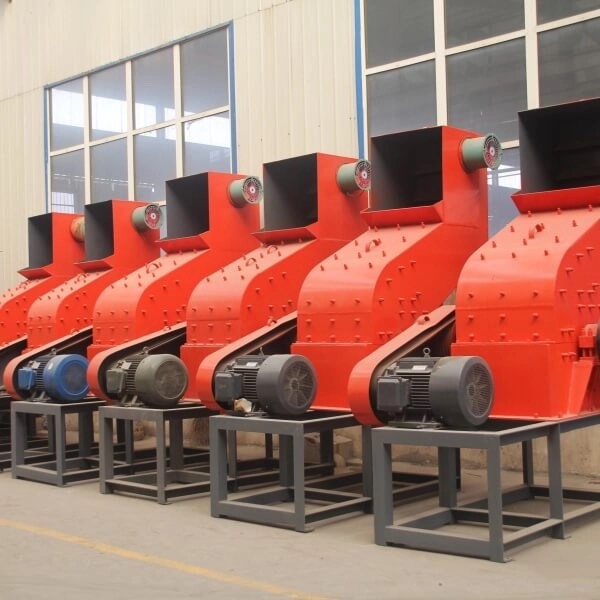
MIRACLE lists the SC7080 for used beverage cans and aluminum tins, while the VSC41600 listing includes both loose and baled UBC. For profiles, the range includes the DS46150 dual-shaft shredder and SC1214 profile crusher. These product distinctions help frame an inquiry; they do not establish interchangeability between every can and profile load.
Explain whether bales must be accepted in their delivered form and whether profiles require a specific preparation step. Give actual dimensions and note mixed items or attachments. Ask the proposed configuration to state its feed limits and the responsibilities for any work outside the equipment package.
| Feed case | Information to provide | Selection focus |
|---|---|---|
| Loose cans and tins | Material mix, collection condition and delivery volume | Feeding, size reduction and collection |
| Baled UBC | Bale dimensions, composition and delivery condition | Bale acceptance and the connected processing route |
| Profiles and frame sections | Length, section geometry, wall condition and attachments | Suitable cutting or crushing duty and preparation |
Keep alloy identity separate from mechanical cleaning
If a downstream buyer requires a particular aluminum grade, discuss how that identity will be maintained. Material records and source segregation can matter alongside mechanical treatment. Crushing changes size; removing a ferrous fraction or recovering non-ferrous pieces does not by itself identify the alloy of every remaining aluminum fragment.
State whether different sources will be kept in separate batches or intentionally blended to an agreed requirement. Identify paint, plastics, fasteners and other known attachments. Ask what the proposed equipment removes and what it leaves for another stage. Do not describe a sorting step as chemical purification or assume it resolves every coating issue.
Plan size reduction with the next stage
An output intended for transport or compaction may have a different size requirement from material entering a downstream sorting process. Define the receiving equipment or buyer specification first, including unwanted long pieces and oversize. Discuss the resulting fractions, rather than asking only for the smallest possible particle.
For a proposed aluminum route, distinguish cutting or crushing, screening, magnetic removal, non-ferrous recovery and final collection where relevant. MIRACLE lists the GTS trommel screen and ECS separator for preparation and sorting duties. Their inclusion should follow the feed and output assessment, not a fixed assumption that every line needs every machine.
Define the handover to compaction or melting
A size-reduced aluminum fraction still needs an agreed specification at the point where it leaves the recycling equipment. State the next process and its acceptance conditions. If the material will be sold, provide the buyer requirements; if it will be processed on site, provide the receiving equipment information and intended batch arrangement.
Moisture, fluids, coatings and unknown inclusions should be disclosed when discussing the route. Ask the responsible equipment and process specialists to identify the preparation requirements and scope boundaries. A product label such as recycled aluminum cannot replace confirmation that a particular output is suitable for its intended next operation.
- Document the source and physical form of each aluminum stream.
- Define whether separate sources must remain separate.
- Specify output size and composition requirements independently.
- Identify who handles preparation and treatment outside the quoted line.
Compare proposals against your material mix
Prepare a short feed schedule covering loose cans, baled UBC and profiles as separate cases. Include approximate volumes, difficult loads, site layout and existing equipment. Ask MIRACLE which listed machines and supporting modules fit each duty, and where a shared route would require changes or further evaluation.
Review the supplied equipment list, material limits, expected output and the basis for evaluating results. Compare the complete route rather than the price of one crusher. Keeping the feed cases distinct makes it easier to understand a proposal and avoids assuming that a can-processing configuration also covers every structural aluminum section.
Before you decide
Can the same configuration process loose cans and baled UBC?
That depends on the proposed machine and feed limits. The MIRACLE VSC41600 listing includes both forms, but actual bale dimensions, composition and handling requirements still need confirmation.
Will crushing separate aluminum alloys?
Crushing is a size-reduction task, not proof of alloy identification. Discuss source segregation, the required grade and any additional sorting needed by the next buyer or process.
Should every aluminum route include an eddy current separator?
No fixed arrangement suits every stream. Describe the mixed fractions and required product, then ask which preparation and separation stages have a defined job in the proposal.
Equipment references
Product information for the equipment discussed in this guide.
- SC7080 30-55kW Small Aluminum Can Crusher Shredder Machine
- VSC41600 250-315kW Large UBC Aluminum Can Shredder Separator
- DS46150 180kW Aluminum Alloy Dual Shaft Shredder Machine
- SC1214 200-315kW Aluminum Profile Crusher Scrap Metal Shredder
- GTS Series Trommel Screen Rotary Drum Screener for Recycling
- ECS Series 7kW Eddy Current Separator for Non-Ferrous Metal Sorting