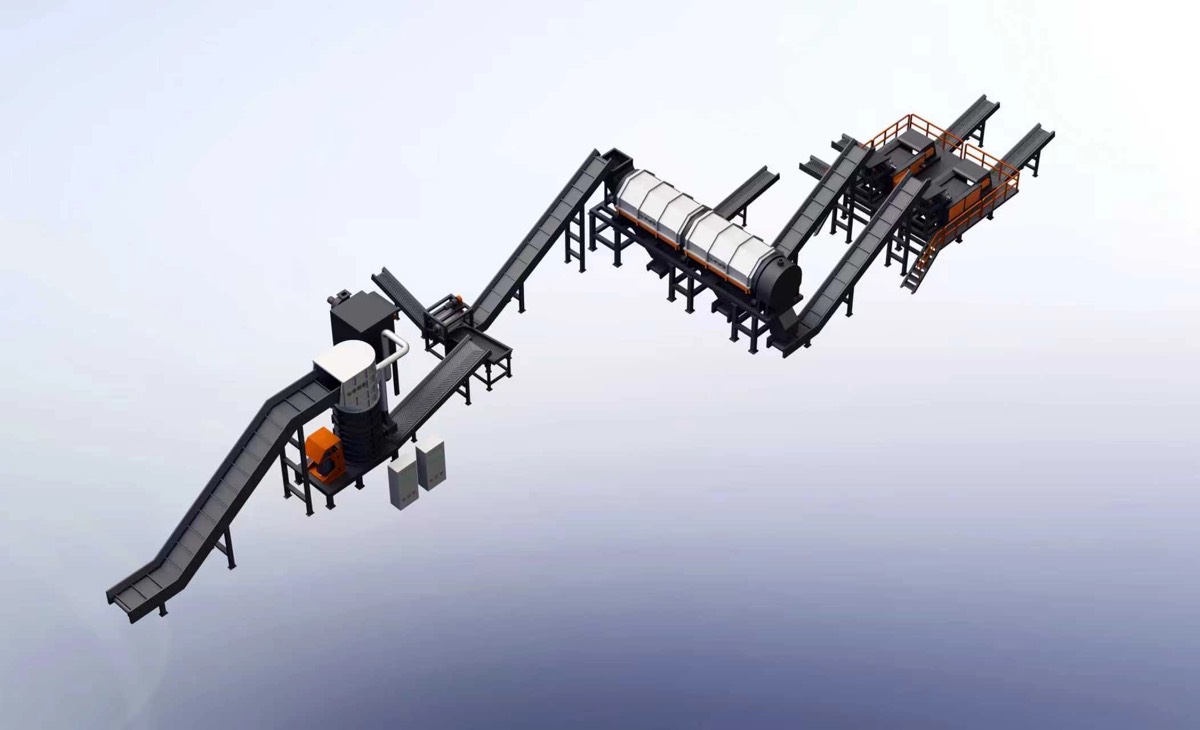
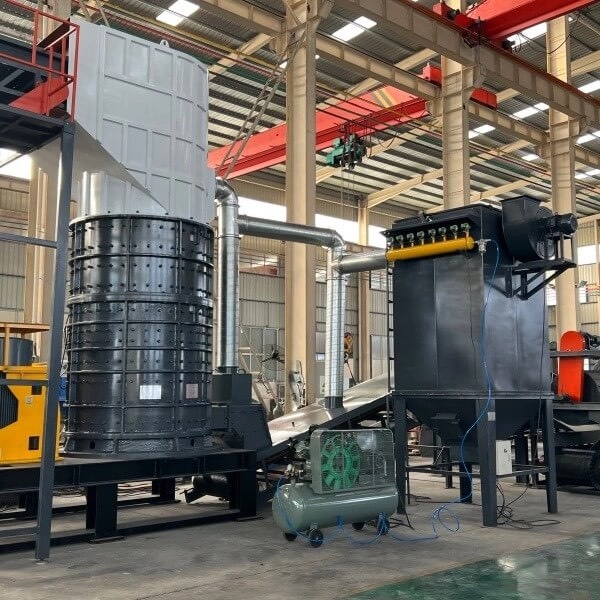
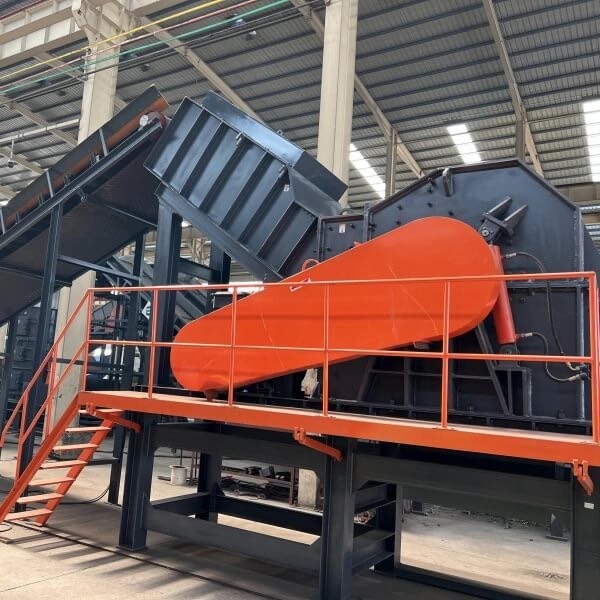
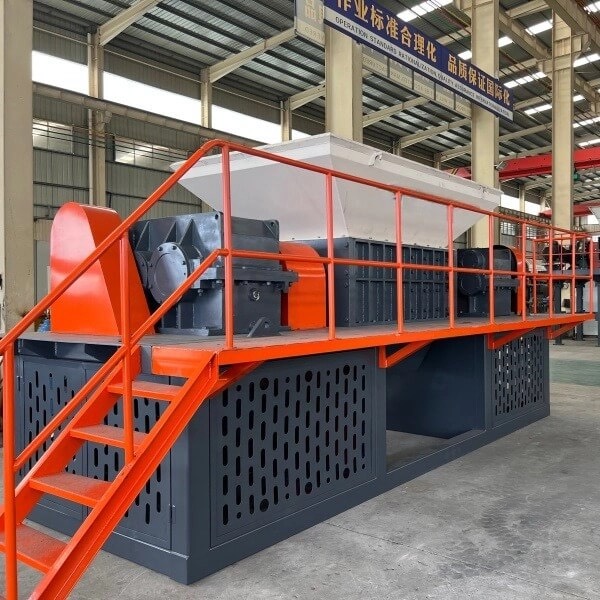
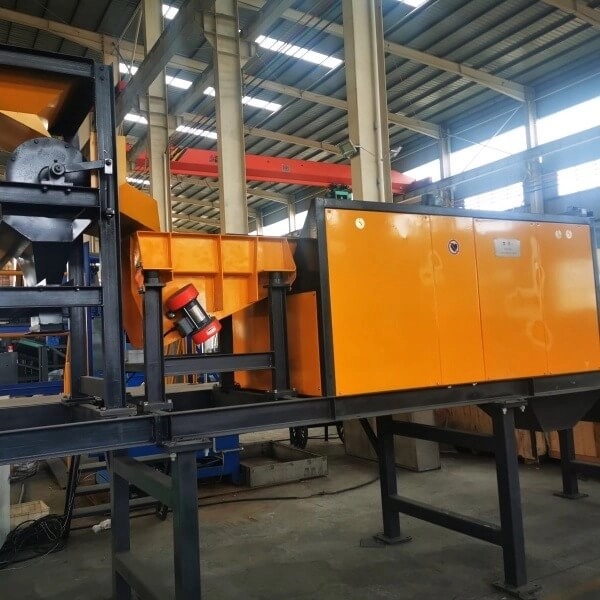
An aluminum scrap processing route combining crushing, screening, magnetic separation and eddy current sorting. Match the equipment to cans, profiles, cast parts or the defined mixed feed.
Used beverage cans (UBC)Aluminum alloy profiles and panelsCast aluminum and prepared aluminum engine partsDefined mixed aluminum scrap
Recovered output
Recovered aluminum
FOLLOW THE PROCESS
A connected sequence of equipment.
01
Crushing
Aluminum scrap is crushed for downstream material separation.
02
Screening
Crushed material is classified before sorting.
03
Magnetic and Eddy Current Separation
Ferrous and non-ferrous materials are separated from impurities.
Separate the aluminum feed families
Loose or baled beverage cans, long profiles, panels and cast parts present different feed conditions. Describe which material forms the regular load and which appears occasionally. Include representative photographs, dimensions and the condition in which the material reaches the line.
For dismantled parts and mixed scrap, identify attached iron, plastic, rubber and other materials where known. If several feed families will be processed, ask how each is handled and whether changeovers or separate preparation are required. A proposal based only on clean cans should not be treated as a confirmed route for every aluminum scrap load.
Give each processing stage a defined task
This route combines crushing, screening, magnetic separation and eddy current separation. Crushing prepares the scrap for downstream treatment, screening divides material by size, and the separation stages address different material fractions.
Discuss the order and scope of these modules for the proposed feed. Aluminum can equipment and profile equipment in our range provide different starting points for this conversation; their presence in the catalogue does not make them interchangeable. Confirm the exact crusher, sorting configuration and collection arrangements in the offer.
Define the recovered aluminum product
Start with the requirements of the receiving buyer or melting operation. Specify the desired material form and the unwanted content that must be checked. If alloy identity is important, state that separately rather than assuming a general metal-separation stage establishes the alloy composition.
Review the recovered aluminum together with iron, light material and other collected fractions. For a trial, record the original feed and the configuration that produced the samples. Purity and recovery claims need that material context; a photograph of clean-looking aluminum is not a complete account of what happened to the load.
Compare a complete material-handling scope
Share the planned working period, incoming quantity, available space and existing conveyors or sorting equipment. Ask the proposal to show transfers between stages and the positions where each fraction is collected.
Identify which feeding, crushing, sorting, control and dust-handling components are supplied, and which tasks remain with the site. A clear scope makes the choices easier to compare: the preparation needed for each feed family, the aluminum product to be checked and the modules required to connect them.
QUESTIONS & ANSWERS
Before you decide
Can cans and profiles use the same equipment configuration?
Their shape and preparation differ. Describe the intended mix and ask which configuration, preparation and operating arrangement is proposed for each feed family.
Does eddy current separation identify the aluminum alloy?
Do not treat nonferrous sorting as proof of alloy identity. If alloy composition matters to the buyer, define a separate identification and verification requirement.
What information makes a material trial useful?
Provide representative feed and agree the preparation, equipment configuration and collected fractions to record. Check the intended aluminum product and the material remaining in other streams.
Prepare a useful recycling-line inquiry with feed information, output targets, site conditions, process boundaries and clearly defined equipment modules.