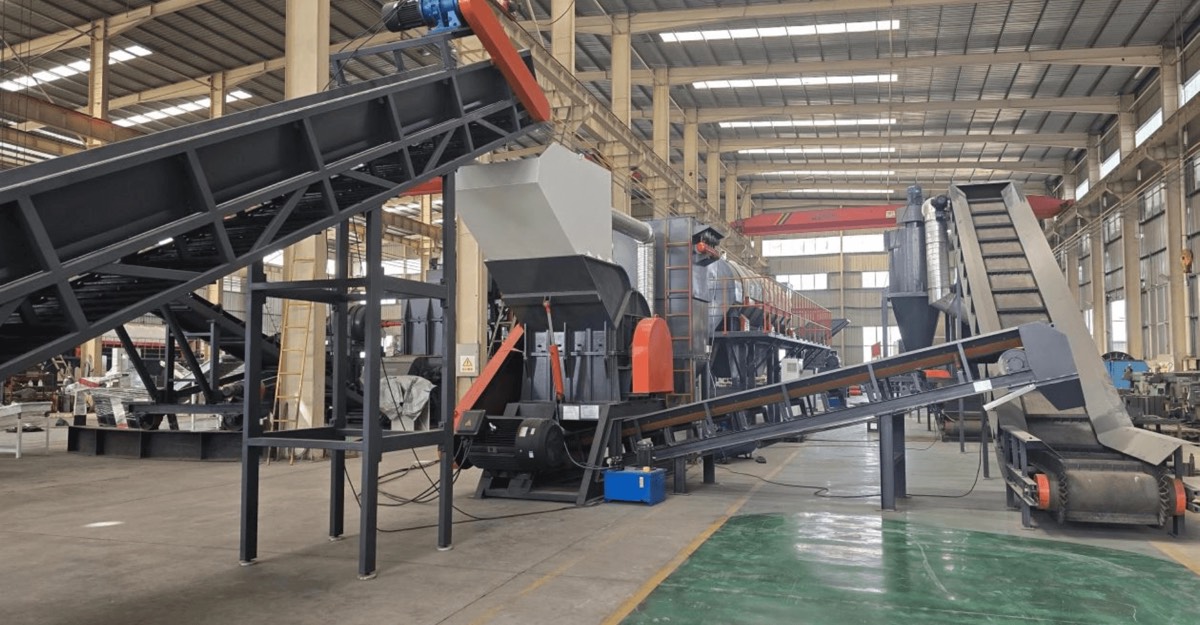
A crushing and separation route for pretreated appliance-derived material. Define the upstream preparation and the iron, nonferrous, plastic and light-material fractions required from the line.
Pretreated refrigerator-derived materialPretreated washing-machine and air-conditioner materialPrepared small-appliance scrap, subject to feed assessment
Recovered output
IronCopperAluminumPlasticsFoam
FOLLOW THE PROCESS
A connected sequence of equipment.
01
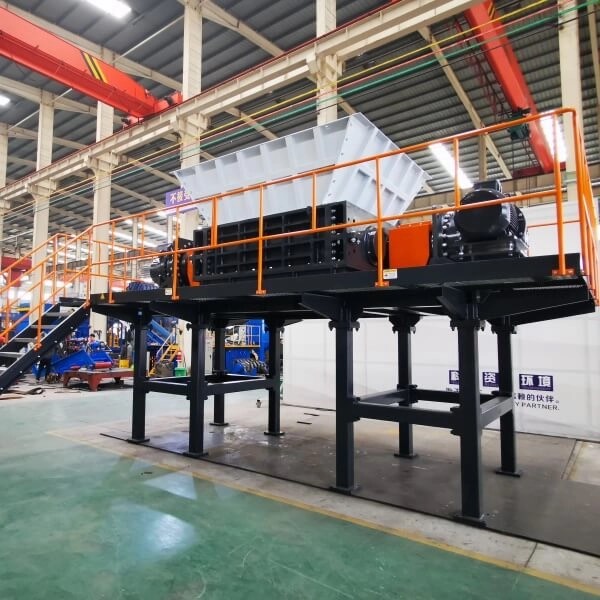
Crushing
Discarded home appliances are crushed for material liberation.
02
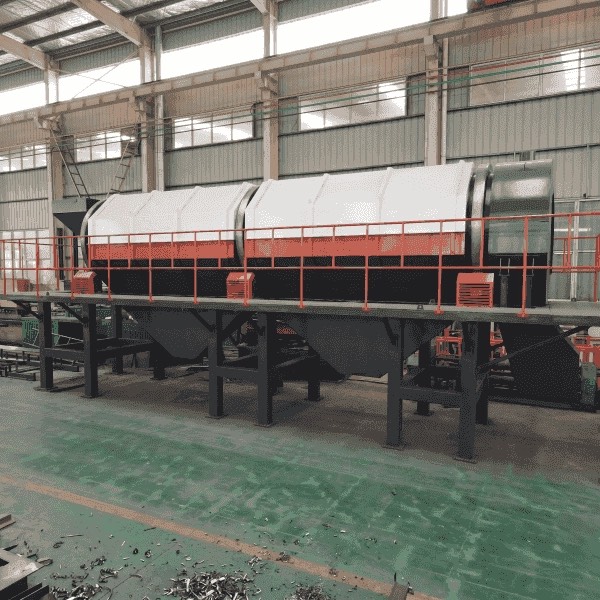
Multi-stage Screening
The crushed material is classified for separation.
03
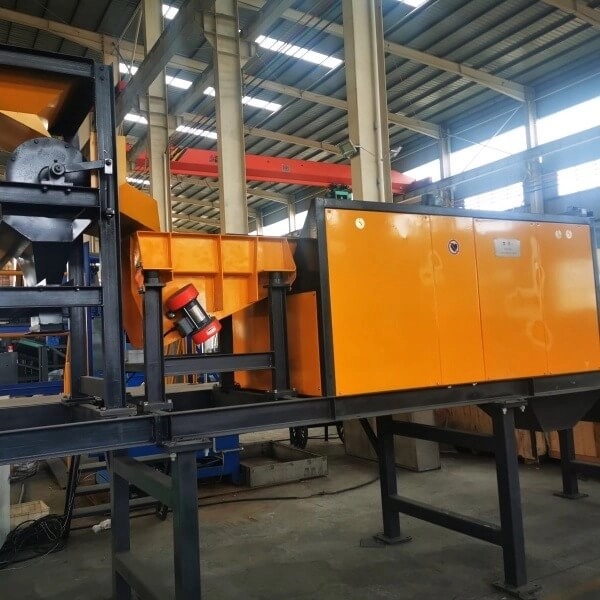
Composite Separation
Magnetic, eddy current and air separation recover metals and plastics.
Start with the material after pretreatment
This solution is designed for processed appliance material, including material from refrigerators, washing machines and air conditioners. The line inquiry should therefore show what reaches the crusher after the agreed upstream preparation, rather than assume complete appliances can enter without any prior work.
List the appliance types, components already removed and preparation carried out before delivery to this line. Photograph the resulting feed and its largest regular pieces. If preparation is incomplete or its scope is uncertain, keep that issue explicit so the equipment boundary can be established before a configuration is selected.
Link liberation to the separation stages
The described route combines crushing, multi-stage screening, magnetic separation, eddy current separation and air separation. These stages form a material path from prepared mixed components to collected fractions; each has a different role in reducing, classifying or separating the feed.
Ask for a flow drawing showing how material passes between modules and which streams leave each stage. Confirm where upstream pretreatment stops and this processing line begins. Do not interpret the separation equipment list as confirmation that upstream dismantling or every treatment associated with an appliance is included.
Specify the fractions your buyers need
The material streams include iron, copper, aluminum, plastics and foam among the materials recovered. Define which of these should be separately collected in your configuration and which may remain mixed for further processing. Their destination and receiving requirements help determine the necessary scope.
For a representative trial, connect the prepared input to every collected fraction. Look at material remaining attached or mixed as well as the desired metal product. Agree the sampling and checking approach before using a result for acceptance. A single appliance type or a clean demonstration sample may not represent your planned feed mix.
Make preparation and site responsibilities clear
Provide the expected material mix, incoming quantity, working schedule and available process area. Identify existing dismantling, handling or separation equipment that the proposed line will connect to. Ask the layout to show feed transfer, product collection and light-material handling.
The quotation should distinguish supplied machinery and controls from upstream preparation, site connections and other responsibilities. Discuss dust collection and the installation requirements of the selected configuration without treating a general equipment description as a guarantee of compliance for a particular location.
QUESTIONS & ANSWERS
Before you decide
Can complete appliances go straight into this line?
Do not assume that. The specified feed is processed appliance material. Identify the required pretreatment and confirm the condition accepted by the proposed configuration before defining the supply scope.
Will iron, copper, aluminum, plastic and foam all be separate finished products?
Confirm the collection streams in the actual proposal. The required purity, material form and further processing depend on the prepared feed and the selected separation stages.
Is upstream appliance treatment included in the quotation?
It must be stated explicitly. Define the handover point between pretreatment and crushing, list existing equipment and distinguish supplied modules from upstream and site responsibilities.
Prepare a useful recycling-line inquiry with feed information, output targets, site conditions, process boundaries and clearly defined equipment modules.