Understand the application.
Input materials
Output
Use impact reduction for ferrous scrap
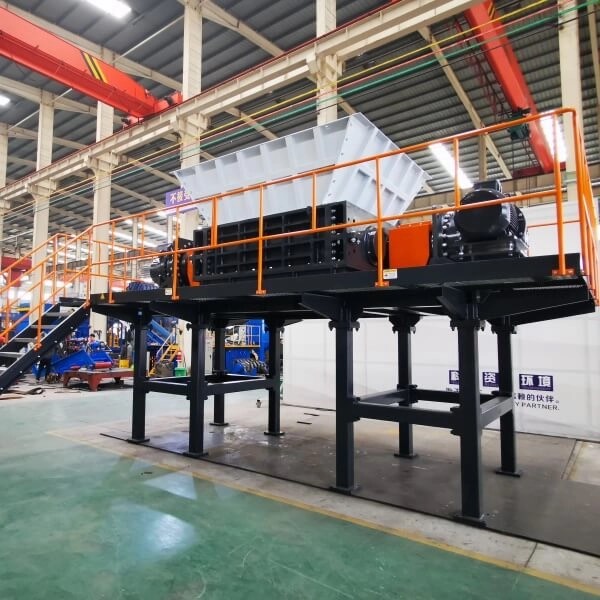
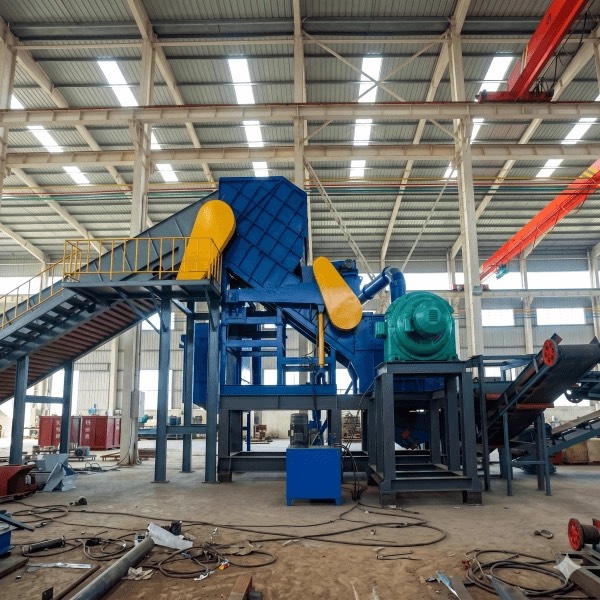
The SCL600 uses a hammer mill arrangement to break scrap steel and iron-bearing material. Its action differs from a gantry shear making individual cuts or a dual-shaft shredder tearing bulky assemblies. Describe the regular feed forms and the degree of reduction required so the machine is discussed within the intended steel processing route.
Match screen choice to the receiving product
Interchangeable bottom screens are part of the listed configuration. Confirm which screen and operating basis apply to the proposed material. Feed-dependent throughput and discharge form should be considered together. Steel-mill charging requirements or a scrap buyer’s specification need their own confirmation; size reduction alone is not an acceptance certificate for the finished fraction.
Account for sorting and plant interfaces
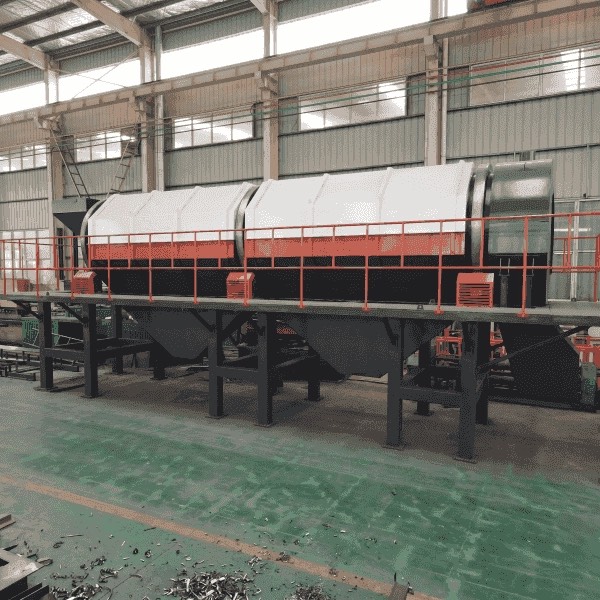
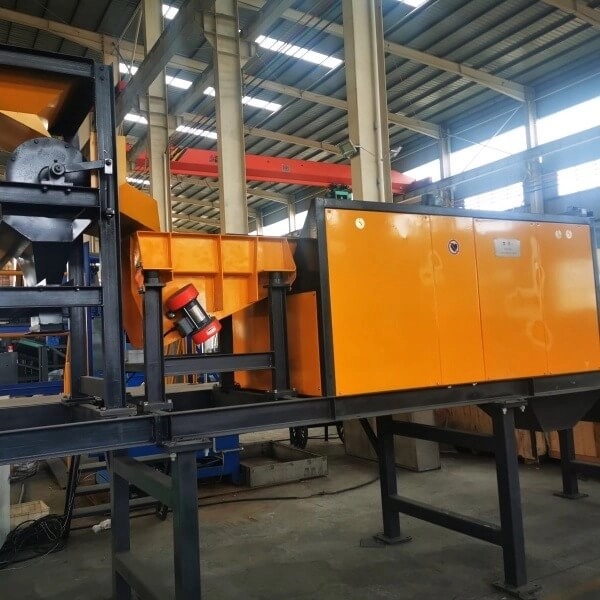
The machine information identifies magnetic separation, controls and dust/noise-handling equipment. Clarify their exact supply and connections in the proposal, including where nonferrous and nonmetal streams are collected. Show upstream preparation, feeding capacity, transfer points and product storage. Treat optional remote monitoring separately, and confirm the utility requirements of the complete installation.
Specifications & configurations.
Tell us about your material and required configuration to discuss the relevant specifications.
Before you decide
Is a dual-shaft shredder the same processing choice?
They use different reduction actions. Compare the same feed and required discharge, including preparation and downstream sorting, rather than equating the equipment by a throughput figure alone.
Can the listed output be assumed suitable for every steel mill?
Obtain the receiving specification for dimensions and unwanted content. Confirm the proposed feed, screen and separation stages against that requirement.