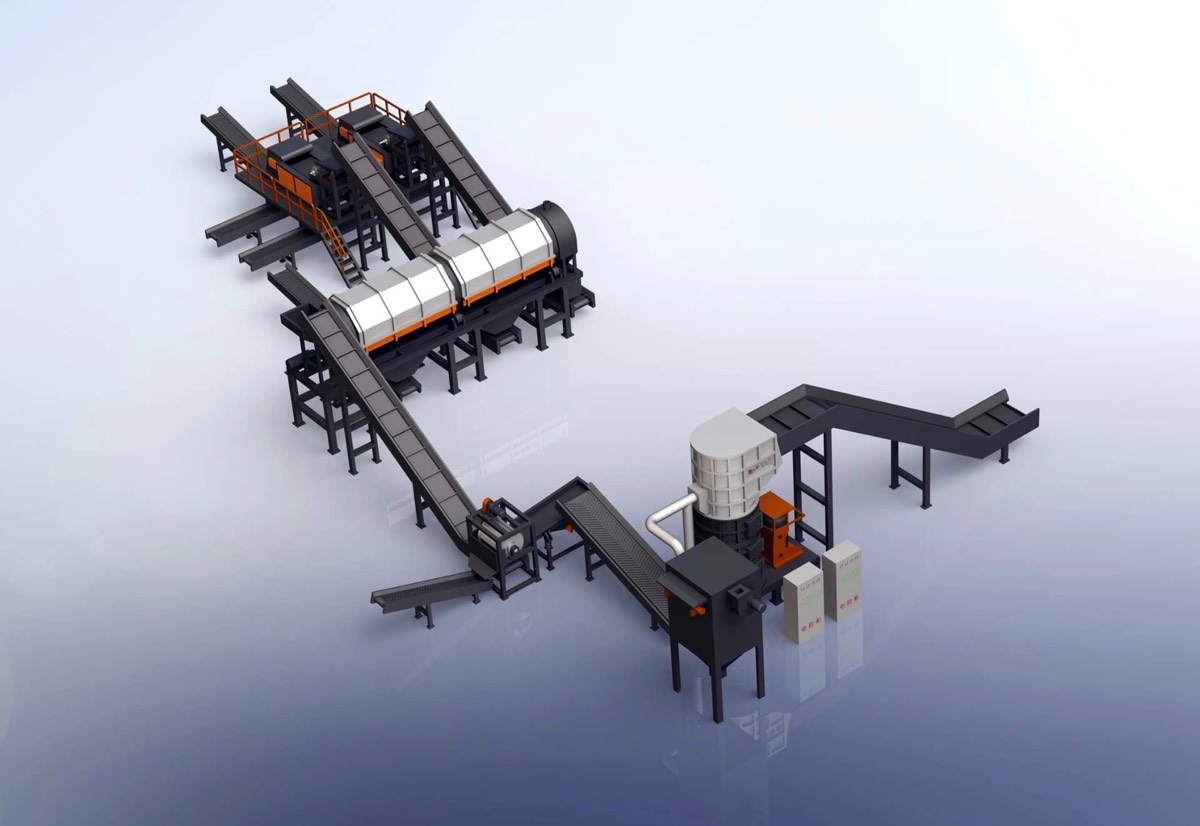
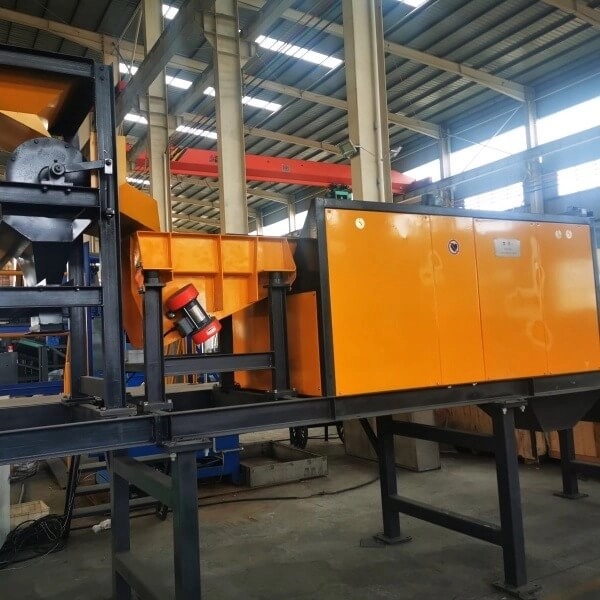
A scrap steel preparation route combining feeding, pre-compaction, crushing and magnetic separation. Configure the line around your scrap mix and the requirements of the steel buyer.
Prepared automobile shellsPrepared appliance-derived metal scrapDrum and mixed steel scrap, subject to feed assessment
Recovered output
Scrap steelNon-ferrous metals
FOLLOW THE PROCESS
A connected sequence of equipment.
01
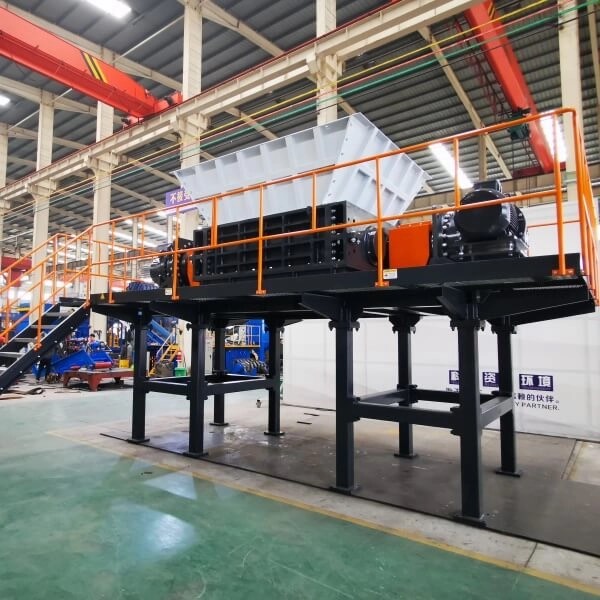
Feeding and Pre-compaction
Scrap is fed by caterpillar conveyor and preliminarily compacted.
02
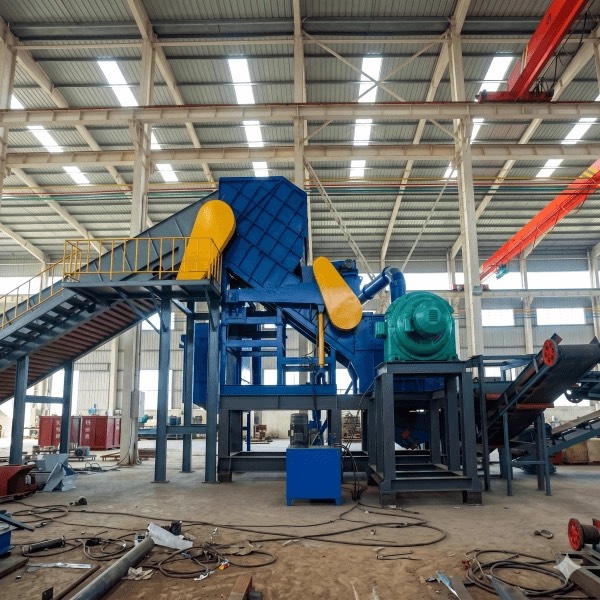
Crushing
Scrap steel and metal materials are reduced in size.
03
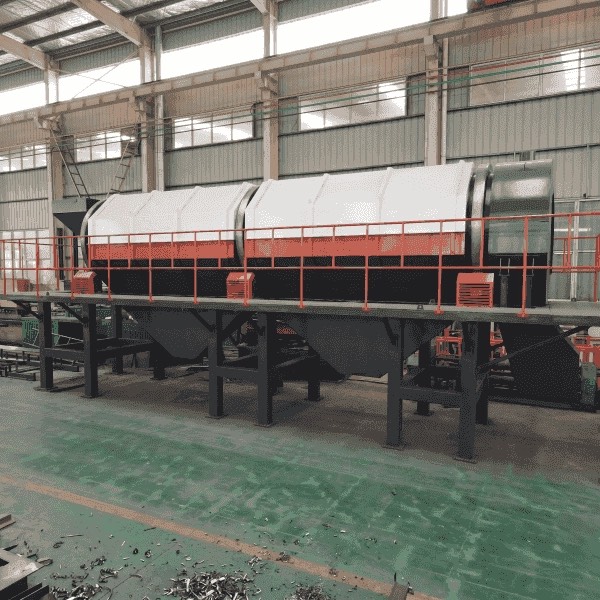
Magnetic Separation
Magnetic steel is separated from non-ferrous metals and impurities.
Define the scrap entering the line
Car shells, appliance-derived scrap and mixed steel loads differ in size, shape and attached materials. Describe the feed after your existing preparation work, including the largest regular pieces and the proportion of light or bulky scrap. Photographs should show a representative load and the material that is most difficult to handle.
Identify nonferrous metals and nonmetallic attachments where known. Drum scrap needs its previous use and preparation status made clear; the equipment discussion does not replace an assessment of whether the proposed feed is suitable.
Connect feeding, crushing and sorting
This process uses a caterpillar conveyor, preliminary compaction, crushing and magnetic separation. These stages handle different tasks: feeding presents the scrap, compaction prepares bulky material, crushing reduces it, and sorting divides the resulting streams.
Confirm the equipment and transfers included in your configuration. If further treatment of the nonferrous fraction is required, define that downstream scope separately. A magnetic separation stage should not be interpreted as a complete copper-and-aluminum sorting system.
Specify a steel product your buyer accepts
Provide the receiving steel mill or scrap buyer’s requirements for material form, dimensions and unwanted content. These requirements establish what the line should produce and which checks belong in the proposal.
When reviewing sample results, keep the feed, process configuration and collected fractions together. Assess the steel product as well as the remaining metal and nonmetal streams. A purity or output figure from a different feed should not become the acceptance condition for your material.
Make the installation boundary visible
Share existing handling equipment, the available process area and the intended working schedule. Ask for a layout identifying feeding, transfer and collection points, plus the controls and dust-handling equipment included in the offer.
Separate equipment supply from site works and other responsibilities in the quotation. This gives the discussion a practical endpoint: a defined feed, a steel product to check and a configuration whose included and excluded work can be compared.
QUESTIONS & ANSWERS
Before you decide
Can one configuration handle every type of scrap steel?
Describe the actual scrap mix and preparation status first. The proposed equipment and feed limits need to be confirmed for that material; a broad scrap category is not an unrestricted feed approval.
Does magnetic separation produce separate copper and aluminum products?
It addresses the magnetic fraction. If separate nonferrous products are required, discuss their processing and collection as an additional defined scope.
Which production target should I provide?
State incoming scrap quantity over your intended working period and the steel product required. Keep feed throughput separate from recovered-steel output, with the material and operating basis attached.
Prepare a useful recycling-line inquiry with feed information, output targets, site conditions, process boundaries and clearly defined equipment modules.